Somewhere in your attic, basement, or childhood bedroom, there could be items worth hundreds — or even thousands — of dollars. The collectibles market has exploded in recent years, driven by nostalgia, online marketplaces, and a new generation of collectors who grew up with Pokemon cards and Star Wars toys. In 2025, the global collectibles market was valued at over $400 billion, and it shows no signs of slowing down.
But here's the thing: not everything old is valuable, and not everything "collectible" is worth collecting. This guide will help you separate the treasures from the trinkets, understand what drives value in every major collectible category, and make smarter decisions whether you're buying, selling, or simply trying to figure out what Grandma's collection is worth.
What Counts as a Collectible?
A collectible is any item that is sought after by collectors and typically increases in value over time due to rarity, demand, cultural significance, or condition. Unlike antiques — which are generally defined as items over 100 years old — collectibles can be from any era. A sealed first-edition Pokemon booster box from 1999 is a collectible. So is a Civil War-era coin.
The key distinction is that collectibles derive their value primarily from collector demand rather than intrinsic material worth. A $20 gold coin contains gold worth roughly its face value in metal, but collectors will pay $2,000+ for one in excellent condition because of its numismatic value — the premium that rarity, history, and condition add on top of the base material.
Broadly speaking, collectibles fall into these major categories:
- Numismatics: Coins, paper currency, and tokens
- Philately: Stamps and postal history
- Trading cards: Sports cards, Pokemon, Magic: The Gathering, and other TCGs
- Toys and games: Action figures, dolls, board games, LEGO sets
- Music and media: Vinyl records, vintage video games, movie memorabilia
- Books and comics: First editions, rare prints, comic books
- Sports memorabilia: Signed items, game-worn equipment, programs, and tickets
- Ephemera: Vintage advertising, postcards, maps, and paper goods
Many valuable collectibles are hiding in plain sight. See our guide: Old Items Worth Money That People Often Overlook
The Most Valuable Collectible Categories
Not all collectible categories are created equal. Some have deep, liquid markets with millions of active buyers. Others are niche and harder to sell, even if individual items can be incredibly valuable. Here's how the major categories compare:
| Category | Average Value Range (Good Condition) | Top-End Value (Mint/Rare) | Condition Impact on Value | Market Liquidity |
|---|---|---|---|---|
| Coins | $10 - $5,000 | $1M+ (1794 Flowing Hair Dollar) | Extreme (60-90% swing) | Very High |
| Trading Cards | $5 - $2,000 | $12.6M (1952 Topps Mickey Mantle) | Extreme (70-95% swing) | Very High |
| Stamps | $1 - $500 | $9.5M (British Guiana 1c Magenta) | High (50-80% swing) | Moderate |
| Vinyl Records | $5 - $500 | $300K+ (Beatles "Yesterday and Today" butcher cover) | High (40-70% swing) | High |
| Toys & Action Figures | $20 - $2,000 | $500K+ (original Star Wars prototypes) | Very High (sealed vs. opened: 200-500%) | High |
| First Edition Books | $50 - $5,000 | $14.2M (Bay Psalm Book, 1640) | High (50-75% swing) | Moderate |
| Sports Memorabilia | $25 - $5,000 | $12.6M (Babe Ruth 1920 jersey) | Moderate to High (30-60% swing) | High |
The categories with the highest market liquidity — coins, trading cards, and sports memorabilia — are the easiest to buy and sell quickly. Stamps and first edition books have passionate collector bases but can take longer to find the right buyer at the right price.
Coins
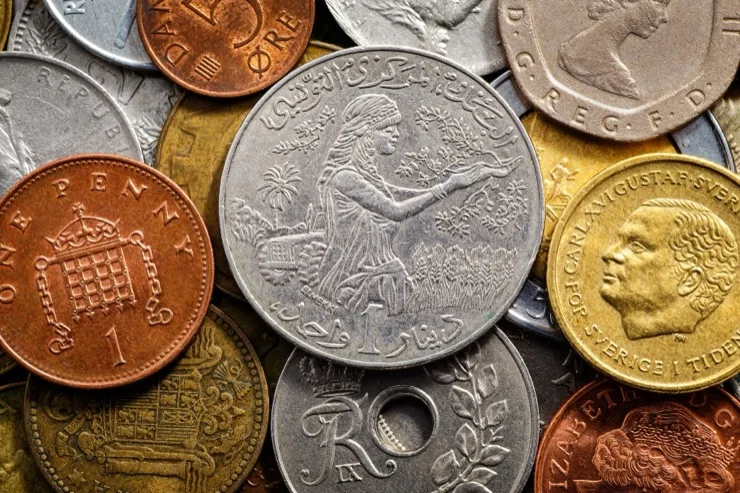
Coin collecting (numismatics) is one of the oldest and most established collectible markets. The beauty of coins is that even common ones can hold surprising value if they're in exceptional condition or carry a mint error. A 1955 doubled-die Lincoln penny, for instance, can be worth $1,500+ even in circulated condition.
Key value drivers for coins include mint year, mint mark, condition grade (using the Sheldon scale from 1-70), errors, and metal content. The market is well-organized with professional grading services like PCGS and NGC that authenticate and grade coins, which significantly impacts value and buyer confidence.
New to coin collecting? Start here: Is Your Coin Collection Worth Anything? A Beginner's Guide to Coin Values
Trading Cards
The trading card market has undergone a remarkable transformation. What were once children's playthings are now serious investment vehicles. The sports card market alone was valued at over $13 billion in 2024, and Pokemon cards have added billions more.
Professional grading by PSA, BGS, or CGC has become essential for high-value cards. A PSA 10 (Gem Mint) grade can make a card worth 5-20 times more than the same card in raw, ungraded condition. The 1952 Topps Mickey Mantle PSA 10 sold for $12.6 million in 2022, making it the most expensive trading card ever sold.
Wondering about those old cards in your closet? Read: Are Old Baseball Cards Worth Anything? A Guide to Card Values
Stamps
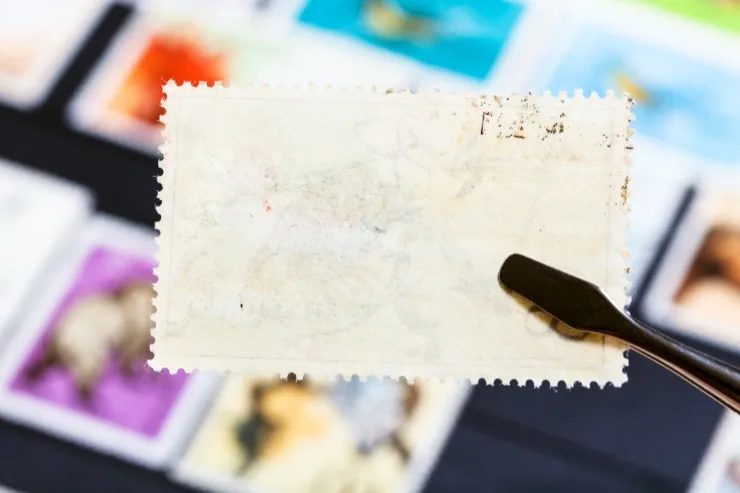
Stamp collecting (philately) may seem old-fashioned, but the right stamps can be extraordinarily valuable. The market has become more selective in recent years — common stamps from the mid-20th century have generally declined in value, while genuinely rare 19th-century and early 20th-century stamps continue to appreciate.
Value factors include age, printing errors, condition (centering, perforations, gum quality), and postal history. Stamps that were actually used on historically significant mail — covers carried on the Hindenburg or early airmail flights, for example — carry premiums beyond the stamp's individual value.
Inherited a stamp collection? Find out what it's worth: Stamp Collection Value Guide: Is Your Inherited Collection Worth Anything?
Vinyl Records
The vinyl revival has brought renewed interest and rising prices to the record market. First pressings of iconic albums — The Beatles, Pink Floyd, Led Zeppelin, Miles Davis — routinely sell for hundreds or thousands of dollars. But the real money is in the rarities: promotional copies, withdrawn pressings, and records with unique features.
Condition is critical for vinyl. A record graded as "Near Mint" using the Goldmine standard can be worth 3-5 times more than the same title in "Very Good" condition. The cover matters too — a pristine sleeve can add 20-40% to the total value.
Got a record collection? Learn which ones are valuable: Vinyl Records Value Guide: Which Records Are Worth Money?
Toys and Action Figures
The vintage toy market is driven almost entirely by nostalgia and packaging condition. Sealed, unopened toys from the 1970s-1990s command astronomical premiums over opened ones. A sealed 1978 Star Wars Boba Fett action figure has sold for over $100,000, while an opened one in good condition might fetch $500-$1,000.
Hot categories include original Star Wars figures (1977-1985), vintage LEGO sets, Transformers (G1 era), vintage Barbie dolls, and Hot Wheels redlines. The key is always condition and completeness — all original accessories, packaging, and inserts matter enormously.
Discover which toys from your childhood might be worth money: Are Old Dolls and Toys Worth Money? A Value Guide for Collectors
How to Assess a Collectible's Value
Whether you've found a box of old coins in your grandparents' house or you're evaluating a potential purchase at a flea market, you need a systematic approach to determining value. Here are the three pillars of collectible valuation.
Condition Grading
Condition is the single most impactful variable in collectible valuation. Each category has its own grading standards, but the principles are universal:
- Mint/Gem Mint: Perfect or near-perfect condition. No visible flaws, original packaging intact. Commands the highest premiums — often 5-20x over "good" condition.
- Near Mint/Excellent: Very minor wear that requires close inspection to notice. Still highly desirable and valuable.
- Very Good/Fine: Noticeable but moderate wear. The item is complete and presentable but shows clear signs of age or handling.
- Good: Obvious wear, possible minor damage, but structurally sound and complete. Represents the baseline for most collectors.
- Fair/Poor: Significant damage, missing pieces, or heavy wear. Generally only valuable if the item itself is extremely rare.
Professional grading services exist for most major collectible categories — PCGS/NGC for coins, PSA/BGS for cards, CGC for comics. A professional grade provides authentication, standardized condition assessment, and a tamper-evident case. Graded items typically sell for 20-50% more than raw (ungraded) items of equal quality because buyers trust the objectivity.
Rarity
Rarity is straightforward in concept — fewer items in existence means higher value — but nuanced in practice. There are several types of rarity to consider:
- Production rarity: Items made in small quantities, limited editions, or short production runs.
- Survival rarity: Items that were common when produced but rare today because most were destroyed, discarded, or lost. Many valuable baseball cards are valuable precisely because kids put them in bicycle spokes.
- Condition rarity: Items that exist in large numbers overall but are extremely rare in top condition. A 1909-S VDB Lincoln cent exists by the thousands, but in MS-67 condition, there are only a handful.
- Variant rarity: Errors, misprints, prototypes, or variations that differ from the standard production version.
The most valuable collectibles often combine multiple types of rarity — an item that was produced in small numbers, has low survival rates, and is in exceptional condition hits the trifecta.
Demand and Market Dynamics
Rarity without demand is just scarcity. Plenty of items are rare but worthless because nobody wants them. Demand is shaped by:
- Nostalgia cycles: As generations enter their peak earning years (typically 35-55), they begin buying the items they loved as children. This has driven the Pokemon card boom, the vintage video game surge, and the 1980s toy market.
- Cultural relevance: Movie releases, documentaries, and celebrity endorsements can spike demand overnight. When "The Last Dance" documentary aired in 2020, Michael Jordan memorabilia prices surged 30-100%.
- Investment trends: As alternative assets gain acceptance, institutional and high-net-worth buyers enter collectible markets, pushing prices higher for blue-chip items.
- Online accessibility: eBay, COMC, StockX, and specialized platforms have expanded the buyer pool globally, increasing demand for desirable items while exposing common items to more competition.
Hidden Gems: Everyday Items Worth More Than You Think
You don't need to find a Honus Wagner baseball card to strike gold. Some of the most surprising collectible values come from items that seem completely ordinary. Here are categories where everyday items regularly surprise their owners:
Vintage Cameras
That old film camera collecting dust? Certain models are highly sought after. Leica rangefinders routinely sell for $1,000-$10,000+, even non-working ones. Nikon F series cameras, Hasselblad 500C/M bodies, and even certain point-and-shoot cameras from the 1990s (Contax T2, Yashica T4) have surged in value as film photography has experienced a renaissance.
Have old cameras lying around? Check their value: Vintage Cameras Value Guide: Which Old Cameras Are Worth Money?
Comic Books
Comic books from the Golden Age (1938-1956) and Silver Age (1956-1970) are the most consistently valuable, but even Bronze Age (1970-1985) and modern key issues can be worth significant money. First appearances of popular characters — Action Comics #1 (Superman), Amazing Fantasy #15 (Spider-Man), Incredible Hulk #181 (Wolverine) — are the holy grails, but there are hundreds of mid-range keys worth $100-$5,000 that collectors actively seek.
Dig into comic book values: Comic Book Values: How to Know If Your Comics Are Worth Money
First Edition Books
A first edition of a popular novel can be worth 100 times its original cover price — or more. First editions of Harry Potter and the Philosopher's Stone (1997, Bloomsbury) sell for $50,000-$80,000. Even more accessible authors have valuable firsts: a first edition To Kill a Mockingbird in good dust jacket can bring $10,000-$40,000.
The key identifiers are the publisher's number line (look for "1" in the sequence on the copyright page), "First Edition" or "First Printing" statements, and matching the correct publisher and year. Dust jacket condition is often more important than the book itself for determining value.
Learn to identify valuable first editions: First Edition Book Values: How to Identify and Price Rare Books
Other Surprising Finds
Beyond the major categories, keep an eye out for these often-overlooked items:
- Vintage board games: Complete, first-edition versions of games like Fireball Island, HeroQuest, or Dark Tower can sell for $200-$1,000+.
- Old video games: Sealed NES, SNES, and N64 cartridges have skyrocketed. A sealed copy of Super Mario Bros. sold for $2 million in 2021.
- Vintage advertising signs: Porcelain and tin signs from brands like Coca-Cola, Shell, and Texaco are highly collected, with rare examples bringing $5,000-$50,000.
- Antique maps and prints: Hand-colored maps from the 16th-19th centuries range from $100 to $50,000+ depending on region, cartographer, and condition.
- Vintage concert posters: Original posters from 1960s-1970s concerts — especially Fillmore and Avalon Ballroom shows — sell for $500-$50,000.
Building and Managing a Collection
Whether you're collecting for pleasure, profit, or both, a thoughtful approach will serve you far better than impulsive buying. Here are the principles that separate successful collectors from those who end up with expensive clutter.
Start with What You Know and Love
The most successful collectors are the ones who genuinely enjoy what they collect. Knowledge is your greatest asset — the more you know about a category, the better you'll be at spotting undervalued items, avoiding fakes, and understanding market cycles. If you grew up playing with Hot Wheels, you already have a foundation of knowledge that gives you an edge over someone chasing the latest investment trend.
Focus and Specialize
Trying to collect everything leads to a scattered, low-value collection. The collectors who build the most valuable portfolios focus on specific niches: pre-war baseball cards, first-edition science fiction novels, Type 1 silver dollars, or original pressing prog-rock vinyl. Specialization lets you develop deep expertise, build relationships with dealers in your niche, and assemble a cohesive collection that's worth more as a whole than the sum of its parts.
Buy Quality Over Quantity
One item in excellent condition is almost always a better investment than five items in fair condition. The collectibles market consistently rewards condition — the price curve is exponential at the top of the grading scale. A coin grading MS-65 might be worth 3x more than one grading MS-63, even though the visual difference is subtle.
Follow the "buy the best you can afford" principle. A single PSA 9 rookie card will typically outperform five PSA 7 copies of the same card over time. High-grade items are rarer, more desirable, and more resistant to market downturns.
Document Everything
Proper documentation protects your investment and makes selling easier. For every item in your collection, maintain:
- Purchase date, price, and source
- High-quality photographs from multiple angles
- Any certificates of authenticity, grading reports, or provenance documentation
- Condition notes at time of acquisition
- Insurance appraisals (updated every 2-3 years for valuable collections)
Storage and Preservation
Improper storage destroys value. The enemies of collectibles are light, humidity, temperature fluctuations, and physical contact. General best practices include:
- Paper items (cards, comics, stamps, books): Store in acid-free sleeves, boards, and boxes. Keep in a climate-controlled space (65-70°F, 40-50% humidity).
- Coins: Use inert holders (Mylar flips, capsules, or graded slabs). Never clean coins — it destroys value.
- Vinyl: Store upright (never stacked flat), in polyethylene inner sleeves and outer sleeves. Keep away from heat sources.
- Toys and figures: Keep sealed items in UV-protective cases. Store in stable temperatures away from direct sunlight.
The Collectibles Market: Trends and Where It's Heading
The collectibles market has evolved dramatically over the past decade, and understanding current trends can help you make smarter decisions about what to collect, when to sell, and where the opportunities lie.
The Grading Revolution
Professional third-party grading has transformed nearly every collectible category. What started with coins (PCGS was founded in 1986) has expanded to cards (PSA), comics (CGC), video games (Wata/CGC), and even sneakers and toys. Grading creates standardization, builds buyer confidence, and — critically — creates price tiers that make the market more efficient.
If you're holding ungraded items that could be high-grade, getting them professionally graded is often the single best way to unlock value. The cost ($15-$150 per item depending on service level and declared value) is almost always worth it for items potentially worth $100+.
Online Marketplaces and Global Reach
The internet has been the single biggest democratizing force in collecting. Platforms like eBay, Heritage Auctions, COMC (Check Out My Cards), Discogs, and specialized forums have connected buyers and sellers globally. This has two effects: rare items find their highest bidders more efficiently (driving up top-end prices), and common items face more competition (moderating or reducing prices for ordinary pieces).
Generational Shifts
The demographics of collecting are shifting. Baby Boomers, who drove the baseball card and coin markets for decades, are beginning to sell their collections. Meanwhile, Millennials and Gen Z are entering the market with different interests: Pokemon cards, vintage video games, sneakers, streetwear, and pop culture memorabilia. This generational transition creates both opportunities (older categories may be temporarily undervalued) and risks (some traditional categories may face declining demand).
Authentication Technology
Advances in authentication technology — from AI-powered image analysis to blockchain-based provenance tracking — are making the market safer for buyers and harder for forgers. Companies like PSA now use sophisticated tools to detect trimmed cards, re-colored comics, and artificial toning on coins. As authentication becomes more accessible and affordable, expect a widening price gap between authenticated and unauthenticated items.
Fractional Ownership and Financialization
Platforms like Rally, Dibbs, and Collectors Club now allow fractional ownership of high-value collectibles, letting smaller investors buy shares in items they couldn't afford outright. This financialization is bringing new capital into the market and increasing liquidity at the top end, though it also raises concerns about speculation and price bubbles.
The collectibles market rewards knowledge, patience, and quality. The items that perform best over the long term are those that combine genuine rarity with strong demand from passionate collectors — not speculative hype. Focus on categories you understand, buy the best condition you can afford, and think in decades, not months.
Frequently Asked Questions
Start with eBay's "sold listings" filter — search for your item and filter by "Sold Items" to see actual transaction prices rather than hopeful asking prices. For coins, check PCGS CoinFacts or NGC's price guide. For trading cards, use the PSA Price Guide or sites like 130point.com. For vinyl records, Discogs has a comprehensive database of sale prices. You can also use AI-powered tools like Estimonia to snap a photo and get an instant estimate for many types of collectibles.
It depends on the item's potential value. As a general rule, professional grading is worth the cost ($15-$150 per item) if the item is potentially worth $100 or more. Grading provides authentication, a standardized condition assessment, and a tamper-evident case — all of which increase buyer confidence and typically result in 20-50% higher selling prices. For lower-value items, the grading fee may exceed the price increase, so selling raw (ungraded) is more practical.
The top value-destroying mistakes are: cleaning coins (chemical or abrasive cleaning removes the natural patina and can reduce value by 50-90%), opening sealed toys or games (a sealed vintage toy can be worth 5-10x more than an opened one), improper storage (exposing paper items to sunlight, humidity, or extreme temperatures), trimming cards to improve appearance (this is considered fraud and results in authentication rejection), and attempting amateur repairs on books or comics (use a professional conservator for any restoration work).
The best selling venue depends on what you have. For high-value individual items ($5,000+), auction houses like Heritage Auctions, Christie's, or Sotheby's reach the most serious buyers and typically achieve the highest prices, though they take 15-25% in fees. For mid-range items ($100-$5,000), eBay offers the largest buyer pool. Specialized platforms — COMC for cards, Discogs for vinyl, AbeBooks for books — attract knowledgeable buyers willing to pay fair prices. For bulk or lower-value collections, local dealers and shows offer convenience but typically pay 40-60% of retail value.
Collectibles can be a solid alternative asset class, but they behave differently from traditional investments. Blue-chip collectibles — rare coins, high-grade vintage cards, key-issue comics — have historically returned 8-12% annually over long periods, comparable to equities. However, collectibles are less liquid, carry higher transaction costs (auction fees, grading fees, insurance), and require specialized knowledge to navigate successfully. They also produce no dividends or income. Most financial advisors suggest limiting collectibles to 5-10% of a diversified portfolio. The best approach is to collect what you love, focus on quality, and treat any appreciation as a bonus rather than a guaranteed return.
Final Thoughts
The collectibles market is more accessible, more transparent, and more exciting than ever before. Whether you're sorting through an inherited collection, rediscovering childhood treasures, or building a new collection from scratch, the fundamentals haven't changed: condition, rarity, and demand are the three forces that determine value.
The collectors who do best are those who combine passion with discipline — they know their categories deeply, they buy quality over quantity, they store and preserve their items properly, and they stay patient when the market cycles. The worst thing you can do is chase hype or buy something you don't understand.
Start by identifying what you have. Research comparable sales. Get professional grades for your best items. And remember — the most valuable collectible is sometimes the one nobody else is paying attention to yet.
Want a quick estimate on something you've found? Try Estimonia — snap a photo of any collectible, antique, or vintage item and get an instant value range with confidence levels.