How Estimonia works
Take a photo of something you own and find out what it is, what it is likely worth and what to do with it — explained in plain English, with an honest score for how sure we are.
- 1Photograph it
Up to four photos: the whole piece, then its marks.
- 2We identify it
Maker, period, materials and condition from what the photos show.
- 3You get a value range
With a confidence score and the reasoning behind it.
- 4You decide what's next
Keep it, sell it, or have a specialist look — with help for each.
Good photos make a good valuation
Use your phone or upload photos you already have — up to four per item. The analysis can only work with what it can see, so a few seconds on the right shots pays off.
- The whole piece first, in daylight, without flash
- Every mark close up: signatures, hallmarks, labels, serial numbers
- The back or underside, where makers usually sign
- Any damage, honestly — it affects the range either way
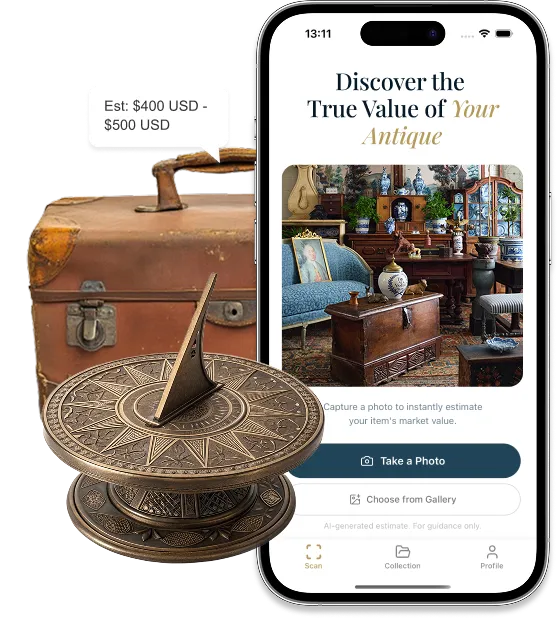
Read like a specialist would, in seconds
An AI model trained on a very wide range of objects looks at the shape, materials, construction, marks and condition, works out what the item most likely is, and compares it with what similar pieces typically sell for.
- Reads the marks and hallmarks it can see
- Notes condition, wear and repairs
- Treats well-known artworks and designs as likely reproductions unless the photos prove otherwise
- Flags very high estimates for a specialist's check instead of overselling them
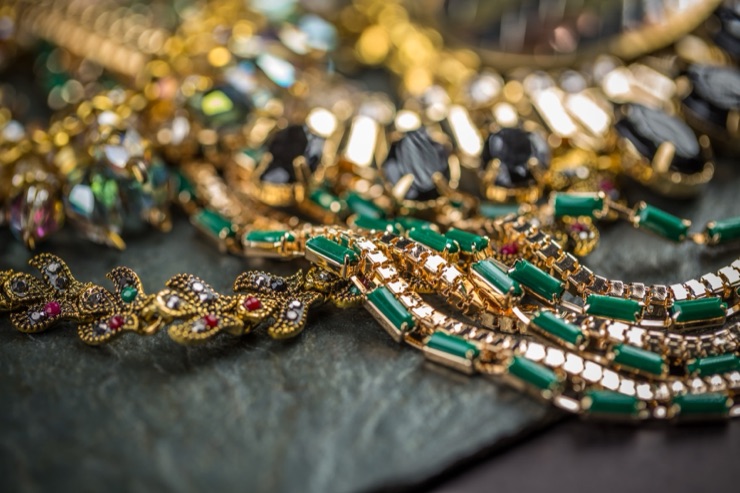
A range, a confidence score and the reasons
Real-world value depends on where, when and to whom you sell, so you get a range rather than one misleading number — plus how sure the estimate is and what drives it.
- Value range in dollars, with other currencies in the PDF report
- Confidence score — high for clear, marked pieces; lower when details are hidden
- Plain-English explanation of what pushes the value up or down
- A free PDF report by email to keep or share
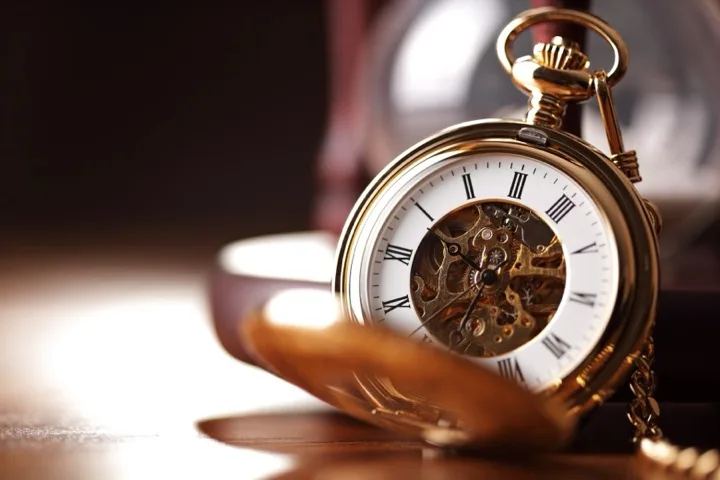
An open-face pocket watch with a Swiss keyless movement of a type made in large numbers around 1900. Value is largely supported by the gold content; a named maker would raise it considerably.
Keep it, sell it, or have it seen
Nothing happens next unless you want it to. When you do, each route has help built in — and the result page suggests the one that fits your item's value.
- No pressure and no obligation to sell
- A scan on its own is not sent to anyone
- Save items to a free collection if you create an account
Get the valuation as a PDF report by email — for your records, insurance conversations or family.
Compare 159 auction houses by fees and specialty, or get a Sell-it Plan with the best route and what you would keep.
Clearing a home? Upload everything at once and get it sorted into what to show a specialist, sell yourself or let go.
What it can and can't do
We would rather you trust the result than be impressed by it.
It can
- Identify most antiques, collectibles, jewellery, watches and art from clear photos
- Give a realistic range for what similar pieces sell for
- Tell you how confident the estimate is, and why
- Point you to the right kind of buyer for the item
It can't
- Handle the item, test metals or stones, or see what the photos don't show
- Guarantee authenticity — fakes and reproductions exist in every category
- Replace a certified appraisal for insurance, probate or legal use
- Value vehicles or property
What can you value?
If it has collector or resale value, it is worth a scan. Tap a category for its value guides.
Common questions
The short, honest answers.
Is Estimonia a certified appraisal?
No. Estimonia gives an AI estimate from your photos: a value range, a confidence score and the reasoning behind it. It is a fast, free first opinion. For insurance, probate or selling something valuable, have it examined in person by a specialist — most auction houses do this free.
Do I need an account?
No. You can value items without signing up or giving an email address. A free account simply keeps your valuations together in one collection across devices.
How many photos should I take?
Up to four. Start with the whole item in daylight, then add close-ups of any signature, hallmark, label or serial number, and the underside or back. Clear marks make the biggest difference to accuracy.
How accurate are the estimates?
Accuracy depends on what the photos show. Recognisable, well-marked items get tight ranges and high confidence; unmarked or unusual pieces get wider ranges and lower confidence. Every result tells you which it is, and very high estimates are flagged for a specialist's check.
What happens to my photos?
They are stored so you can see your result and come back to it. A scan on its own reaches nobody: nothing goes to a dealer or auction house unless you choose to share an item or ask to be put in touch. You can delete any item from your collection.
Does it cost anything?
Valuing an item is free, and so is the PDF report by email. Optional paid extras exist for people who want more — a Sell-it Plan for one item, or an estate report that values a whole house at once.
Ready to find out what it's worth?
Your first valuation takes about twenty seconds — no account, no card.
Value an item — free