A Hermès Birkin is typically worth $8,000 – $500,000, depending on reference, condition, originality, and provenance.
Market values current as of March 2026Introduction: The Most Coveted Handbag in the World
The Hermès Birkin is not simply a handbag. It is, by almost any measurable metric, the most valuable mass-produced luxury accessory on earth. A standard Birkin in Togo calfskin leather starts at roughly $8,000–$12,000 at Hermès boutique retail — if you can obtain one at all. On the secondary market, prices range from around $10,000 for a well-worn entry-level piece to well over $500,000 for a Himalaya Niloticus Crocodile with diamond hardware. One exceptional example sold at Christie's Hong Kong in 2017 for HK$2.94 million (approximately $375,000 USD), setting a world auction record at the time.
Unlike virtually every other luxury good, Birkins have outperformed both the S&P 500 and gold as an asset class over the past 35 years — returning an average of approximately 14.2% annually according to a widely-cited 2016 study by Baghunter. Whether you own one, are considering purchasing one, or have inherited one and need to understand its value, this guide covers everything you need to know: origin story, identification, authentication, market pricing, and where to buy or sell.
The Origin Story: A Chance Meeting at 30,000 Feet
The Birkin's origin is one of fashion's most celebrated anecdotes. In 1983, British actress and singer Jane Birkin boarded an Air France flight from Paris to London. She was seated next to Jean-Louis Dumas, then chairman of Hermès. Her straw bag tipped over, spilling its contents into the aisle. She remarked to Dumas that she had been unable to find a practical leather weekend bag she actually liked. By the time the flight landed, the two had sketched the early concept for what would become the Birkin on an airsickness bag.
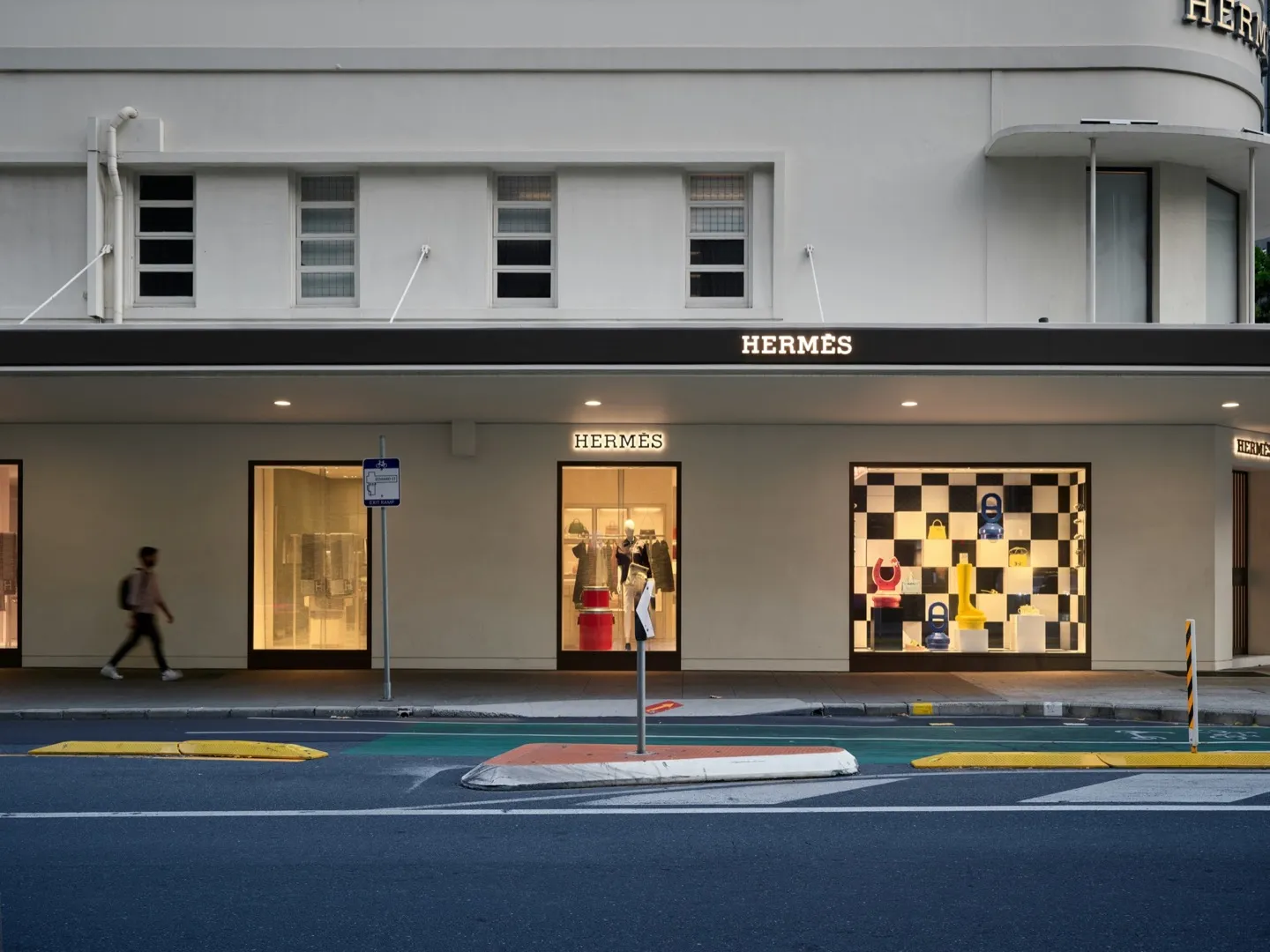
The bag officially launched in 1984. It was designed to Birkin's specifications: structured but not rigid, roomy but not shapeless, with top handles suitable for hand-carry and a flap secured by two straps (sangles) that buckle through a looping turn-lock. Jane Birkin carried hers stuffed with papers and personal items, famously scrawled with Post-it notes. The bag was never meant to be precious — it was meant to be used.
Hermès officially renamed the Haut à Courroies bag (HAC), which already existed in a similar form, and engineered the new design into what we now call the Birkin. Each bag is still handmade by a single maroquinier (leather craftsman) in one of Hermès's French ateliers, a process that takes approximately 18–24 hours of skilled labor per bag.
Birkin Sizes: Which Measures What
The Birkin is produced in four primary sizes, measured across the base width. Each size has a distinct aesthetic character and carries its own market dynamics.
- Birkin 25 — 25 cm wide. The most compact standard size, favored for its proportions in editorial and social media contexts. Demand has surged significantly since 2018. Despite containing less leather, it frequently trades at a premium over the Birkin 30 due to scarcity and trend appeal.
- Birkin 30 — 30 cm wide. Considered the sweet spot for everyday use. The most liquid size on the secondary market — easiest to buy and sell, with the broadest buyer pool. Strong baseline value across all leather and color combinations.
- Birkin 35 — 35 cm wide. Historically the most popular size and the one most closely associated with the original Jane Birkin design. Demand has softened somewhat as the 30 and 25 have gained favor, but it remains highly collectible and is the preferred size for exotic leather pieces.
- Birkin 40 — 40 cm wide. The largest standard Birkin, increasingly rare in modern production. Appeals to collectors seeking statement pieces and those who prioritize function and capacity. Commands a niche premium.
The Haut à Courroies (HAC) is the ancestor of the Birkin and is taller than it is wide. Available in HAC 28, 32, 36, and 50, it carries a distinct collector following separate from the standard Birkin market.
Leather Types: The Single Biggest Value Driver
Leather choice is the most significant determinant of a Birkin's value, character, and durability. Hermès uses dozens of leathers across its product lines, but the Birkin is most commonly produced in the following:
Standard Calfskin Leathers
- Togo — The most common Birkin leather. Pebbled texture, scratch-resistant, maintains its structure well. Warm hand feel. Excellent for first-time buyers. Available in the widest range of colors.
- Clemence — Loosely pebbled, heavier than Togo, with a slightly muted sheen. Tends to slump slightly with weight — this is normal and considered part of its character. Deep, rich color saturation.
- Epsom — Cross-hatched pressed grain, very rigid and structured. Lightest of the standard calfskin leathers. Holds its shape exceptionally well. Slightly less desirable to purists but very practical.
- Swift (Gulliver) — Smooth, supple, and thin. Beautiful color vibrancy but more susceptible to scratches than pebbled leathers. Often used in Birkin 25 and 30 to keep the bag lightweight.
- Evercolor — A newer calfskin with a subtle grain, resistant to water and scratches. Growing in popularity. Not yet as established in secondary market pricing as Togo or Clemence.
Exotic Leathers
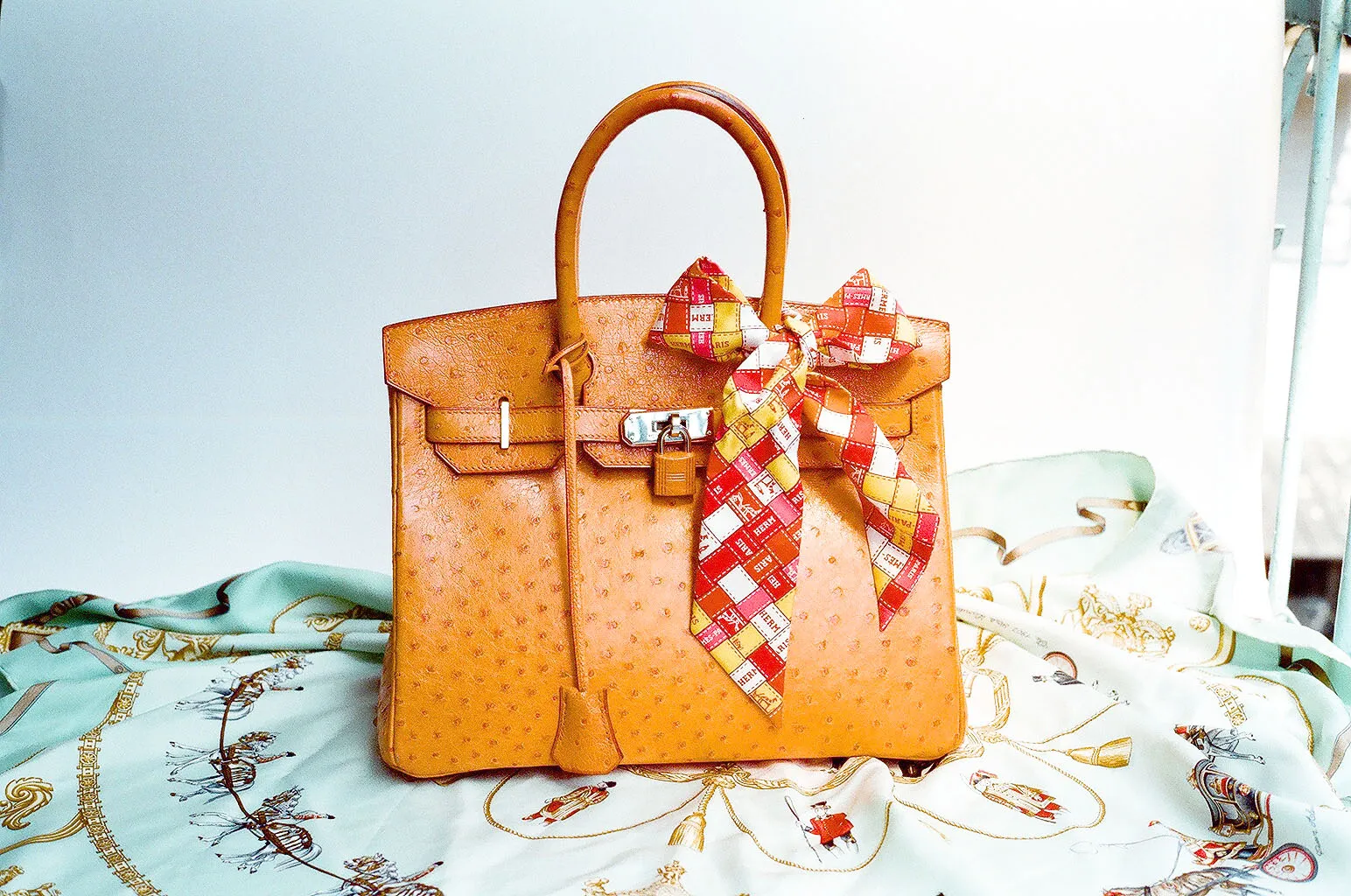
- Niloticus Crocodile — The most prestigious exotic. The Nile crocodile produces a uniform, symmetrical scale pattern. The coveted "Himalaya" colorway — a gradient from smoky grey to near-white on Niloticus Crocodile, typically with diamond hardware — regularly achieves $200,000–$500,000+ at auction.
- Porosus Crocodile — Australian saltwater crocodile. Finer, more supple scales than Niloticus, with a slightly narrower belly width. Considered by many experts to be the pinnacle of crocodile leather quality. Extremely rare in production.
- Ostrich — Distinctive raised quill follicles (called "crowns") over a smooth skin. Lightweight, durable, and available in vivid colors. Commands 2–4x the premium of equivalent Togo pieces.
- Lizard (Varanus) — Used primarily in smaller sizes (Birkin 25). Fine, geometric scales. Less common than crocodile or ostrich. A niche collector piece.
Hardware: Palladium, Gold, and Diamonds
Hermès Birkins are produced with three primary hardware finishes:
- Palladium (PHW) — Bright silver-toned, rhodium-plated. The most common hardware finish. Does not tarnish. Pairs well with cool-toned leathers (blues, greys, neutrals).
- Gold-plated (GHW) — Warm yellow-gold tone. The classic pairing with warm leathers like Gold, Fauve, and Craie. Gold hardware was the original standard; palladium was introduced later.
- Brushed Gold / Permabrass (BGHW) — A matte, antique gold finish introduced in recent years. Increasingly sought after for its understated aesthetic.
- Diamond Hardware (DHW) — White gold set with diamonds. Adds a base premium of $50,000–$200,000+ depending on total carat weight and configuration. Found almost exclusively on exotic leather pieces. The Himalaya Croc with diamond hardware is the pinnacle of Birkin production.
The hardware includes the following components: the cadenas (padlock with two keys housed in the clochette dust cover), the tirette (interior zipper pull), and the turn-lock closures on the sangles (the two leather straps that secure the front flap). All hardware components on an authentic bag are engraved — not stickered, printed, or stamped on a separate plate.
Sellier vs. Retourne Construction
All Birkins are produced in one of two construction methods:
Retourne is by far the more common method. The bag body is sewn inside-out, then turned right-side-out, which pushes the stitching inside the seam. The result is a slightly softer, more relaxed silhouette with rounded corners. This is the "classic" Birkin look most people recognize.
Sellier construction is sewn right-side-out, so the stitching is visible on the exterior edges. The result is a stiffer, more geometric, box-like bag with sharper corners. Sellier construction requires a higher level of craftsmanship because there is nowhere to hide imperfections. Sellier Birkins are produced in smaller quantities and command a premium on the secondary market, particularly in Epsom leather where the rigidity of the construction is most apparent.
Most Valuable Colors and Combinations
Color profoundly affects value. The most liquid and broadly desirable colors for everyday resale are the classic neutrals:
- Noir (Black) — Maximum liquidity. Never out of fashion. Strong secondary market regardless of leather type.
- Gold (Caramel) — The original Birkin colorway. Timeless warm tone, pairs with both palladium and gold hardware.
- Etoupe — Warm grey-taupe. The modern neutral. Extremely strong secondary market demand.
- Craie — Off-white/cream. Clean, versatile, elegant. Requires more careful maintenance.
Collector premium colors — rarer, more volatile in pricing, but capable of significant premiums in the right market:
- Rose Shocking — Hot pink. One of the most recognizable Hermès colors. Consistent collector demand.
- Vert Véronèse — Electric lime green. Extremely limited production runs. High auction performance.
- Bleu Électrique — Cobalt blue. Strong demand from color collectors.
- Gris Mouette — Dove grey. Understated and sophisticated. Growing in desirability.
- Himalaya (gradient white-grey on Crocodile) — The most valuable color/material combination in Birkin history.
Identification Guide: Reading the Blind Stamp
Every Hermès Birkin produced after 1945 carries a blind stamp — a letter stamped into the leather of an interior strap, inside a geometric shape. The shape indicates the production cycle and the letter indicates the specific year within that cycle.
Key blind stamp shapes and their eras:
- No shape (letter only) — Pre-1945 through early production periods
- Square — 1945 through end of first alphabet cycle
- Circle — Second alphabet cycle
- Triangle — Third alphabet cycle
- No shape again (returning) — Recent production (post-2015 approximately)
For example: "A" in a circle indicates 1997, "Y" in a circle indicates 2020, "Z" in a square would fall in an earlier cycle. Full blind stamp charts are available through specialist authentication services and are essential for dating a bag's production year.
Near the blind stamp you will often find a craftsman's mark — typically the initials or a symbol of the individual maroquinier who handmade the bag. This is not a flaw or anomaly; it is a feature of Hermès's artisanal production model and adds to the bag's provenance story.
Value Factors in Detail
The following factors determine where your Birkin falls within the $8,000–$500,000+ range:
- Leather type — Exotic leathers multiply value by 5–30x over standard calfskin
- Color rarity — Rare seasonal colors add 30–100%+ over neutral tones
- Hardware — Diamond hardware adds $50,000–$200,000+ at base
- Size — 25 currently premiums over 30; 35 and 40 carry niche premiums
- Condition — Pristine full-set pieces trade 20–40% above average condition
- Provenance — Special orders, celebrity ownership, and documented charity auction history all add premium
Market Prices: Size × Leather Reference Table
The following prices reflect 2025–2026 secondary market transaction ranges based on data from Christie's, Rebag, and Madison Avenue Couture. These are approximate mid-market values for pieces in Excellent condition with standard hardware.
| Leather / Size | Birkin 25 | Birkin 30 | Birkin 35 | Birkin 40 |
|---|---|---|---|---|
| Togo / Clemence | $18,000–$26,000 | $14,000–$22,000 | $13,000–$19,000 | $14,000–$20,000 |
| Epsom | $16,000–$22,000 | $13,000–$19,000 | $12,000–$18,000 | $13,000–$19,000 |
| Swift | $19,000–$28,000 | $15,000–$24,000 | $14,000–$21,000 | $15,000–$22,000 |
| Ostrich | $35,000–$55,000 | $30,000–$50,000 | $28,000–$48,000 | $30,000–$52,000 |
| Niloticus Crocodile | $60,000–$100,000 | $70,000–$130,000 | $80,000–$160,000 | $90,000–$180,000 |
| Himalaya Croc (standard HW) | $150,000–$220,000 | $200,000–$300,000 | $220,000–$350,000 | $240,000–$400,000 |
| Himalaya Croc (diamond HW) | $300,000–$500,000+ (auction dependent) | |||
Wondering about yours?
Find out what your Hermès Birkin is worth
Upload a photo and get an instant AI valuation with a realistic price range — free, and no account needed.
Note: Rare colors, special orders, and celebrity provenance can push any row significantly higher. Prices are secondary market estimates and exclude buyer's premiums at auction.
Authentication: What to Look For
Counterfeit Birkins are among the most sophisticated fakes in the luxury goods market. High-quality replicas exist at every price point. The following checks, performed in combination, reliably distinguish authentic from fake:
- Stitching — Hand-sewn with waxed linen thread using the saddle stitch method. Each stitch is angled at 45 degrees, perfectly uniform, with no machine regularity or missed stitches. Count the stitches per centimeter: authentic bags have a consistent stitch density throughout.
- Blind stamp — Present on every authentic Birkin made after 1945. The stamp is embossed into the leather, not printed or painted. Depth and clarity should be uniform across all characters.
- Clochette and keys — The clochette (key holder) stitching should match the bag's leather in quality. Both keys should bear the matching lock number. The lock itself should feel heavy and solid, with clean "Hermès Paris" engraving.
- Interior details — The interior has a zippered pocket with a tirette pull, two open slip pockets, and leather lining (not fabric) in standard models. The base of the interior straps carries the blind stamp and craftsman's mark.
- Dust bag and box — Authentic Hermès dust bags are fine cotton flannel with a drawstring closure. The orange box has a specific shade (PMS 1655) and the logo is embossed, not stickered. Box and dust bag alone do not authenticate a bag — they are easily sourced separately — but inconsistencies are red flags.
For any purchase above $5,000, always use a professional authentication service. Rebag's authentication team offers in-person and mail-in services, and Madison Avenue Couture is one of the most respected specialist dealers in the United States.
Investment Performance
The Birkin's investment credentials are well-documented. A 2016 study by Baghunter compared Birkin returns against the S&P 500 and gold from 1980 to 2015, finding that Birkins returned approximately 14.2% annually — outperforming both asset classes. Unlike equities, Birkins do not correlate directly with market volatility and have never recorded a decline in average value over any rolling 10-year period in their production history.
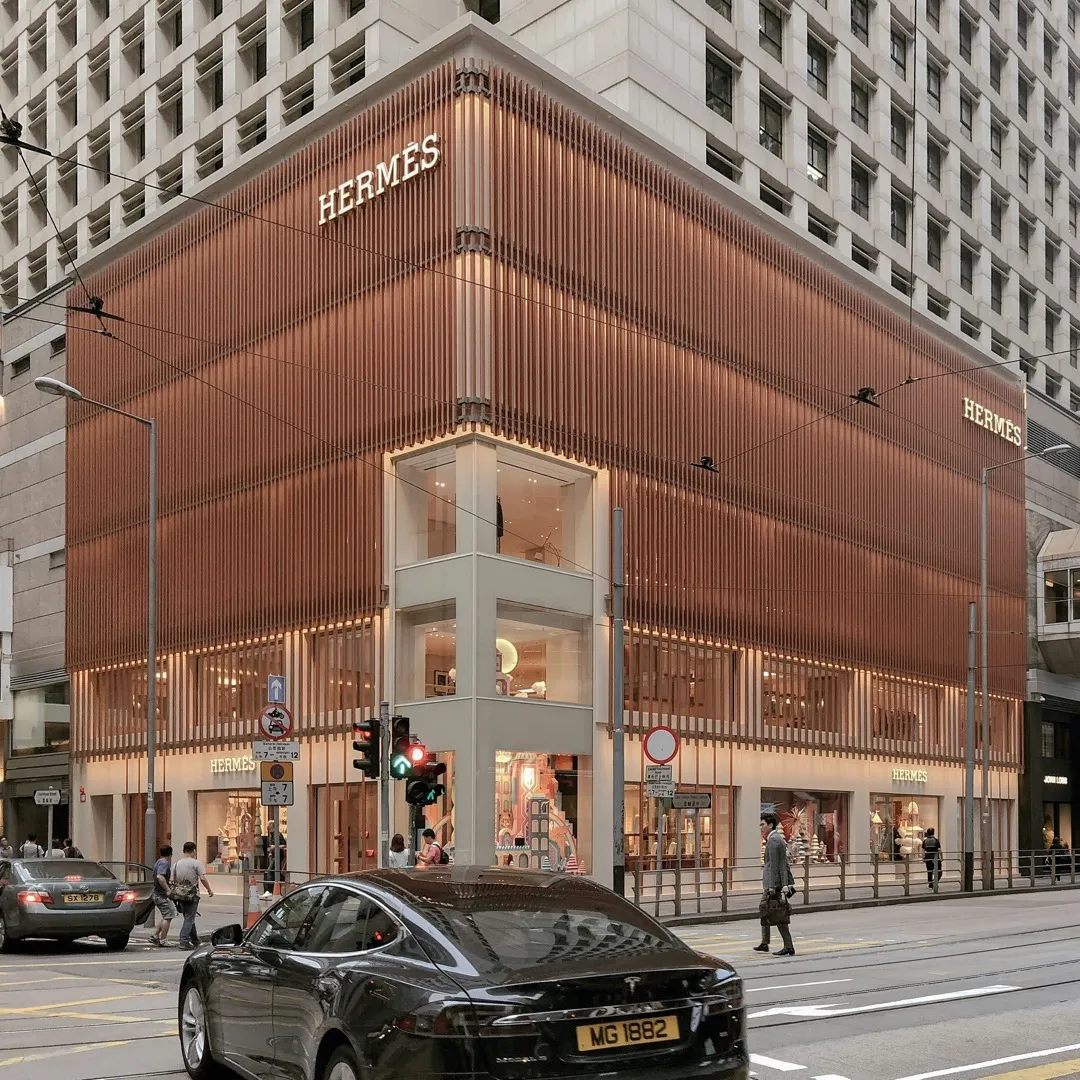
Key factors driving investment performance:
- Hermès deliberately constrains supply — waitlists persist despite years of retail capacity expansion
- Handmade production limits scale; each craftsman produces a finite number of bags per year
- Growing demand from Asian luxury markets has consistently expanded the buyer pool
- Exotic leather editions appreciate faster than calfskin due to even more constrained supply
That said, the Birkin is not a liquid asset. Selling takes time, authentication costs money, and consignment fees at specialist dealers typically run 20–30% of sale price. Calculate your net return accordingly. Christie's Handbags & Accessories department publishes regular market reports that are worth reviewing for anyone treating Birkins as a serious investment vehicle.
If you are also evaluating other high-value collectibles, read our Rolex Watch Value Guide for a similarly detailed breakdown of how provenance, condition, and rarity affect resale prices in the luxury watch market.
Where to Buy and Sell a Hermès Birkin
The primary market (buying directly from Hermès boutiques) is the ideal entry point if you can access it. Retail prices are significantly below secondary market prices, but Hermès does not sell Birkins to walk-in customers — bags are typically offered to established clients with a purchase history across other Hermès product categories. Waitlists at major boutiques can span years.
On the secondary market, the following venues are the most reputable:
- Rebag — Large U.S.-based reseller with in-house authentication, competitive pricing, and instant cash-offer service. Good liquidity, slightly lower returns than private sale.
- Madison Avenue Couture — Specialist boutique with deep expertise in Hermès. Strong selection of rare and exotic pieces. Higher price points but strong buyer trust.
- The RealReal — Large luxury consignment platform. Wide reach but authentication has faced criticism; best used for established pieces with strong documentation.
- Christie's / Sotheby's / Heritage Auctions — Best for rare, high-value, and exceptional pieces. Buyer's premiums of 20–26% apply. Maximum exposure to serious collectors globally.
- Private sale via vetted communities — Highest potential net proceeds but requires seller to manage authentication, payment security, and shipping independently.
Planning to sell additional inherited items alongside your Birkin? Our guide to selling inherited jewelry covers the evaluation and consignment process for estate pieces in detail.
Frequently Asked Questions
How much is a Hermès Birkin worth?
A standard Hermès Birkin in Togo or Clemence leather starts around $8,000–$12,000 at retail, but on the secondary market prices typically range from $10,000 to over $500,000 for rare exotic versions like the Himalaya Niloticus Crocodile. The average pre-owned Birkin in good condition sells for $15,000–$35,000.
What makes a Birkin more valuable?
Key value drivers include exotic leather (Himalaya Crocodile being the most valuable), rare colors (Vert Véronèse, Rose Shocking, Bleu Électrique), diamond or white gold hardware, smaller or larger-than-standard sizes (25 or 40), and pristine condition with original receipt, box, and dust bag. Limited editions and special orders (SO) also command significant premiums.
How can I tell if my Birkin is authentic?
Authentic Birkins have a blind stamp (a letter inside a shape) indicating the production year, a craftsman's mark, and clean, evenly spaced saddle stitching. The hardware engravings should be crisp, the clochette should match the bag's leather, and the lock (cadenas) should carry Hermès Paris markings. Counterfeit bags frequently fail on stitching consistency, stamp depth, and hardware weight.
What is the difference between Sellier and Retourne construction?
Retourne construction means the bag is sewn inside-out then turned right-side-out, resulting in a softer, slightly relaxed silhouette — this is the most common Birkin construction. Sellier construction is sewn right-side-out with stitching on the exterior, producing a rigid, structured, boxy shape with visible seams. Sellier Birkins are rarer and generally command a premium on the resale market.
Where is the best place to sell a Hermès Birkin?
Top resale venues include Rebag, Madison Avenue Couture, The RealReal, and dedicated luxury auction houses such as Christie's and Heritage Auctions. For maximum return, use a specialist reseller who offers authentication services. Private sales through well-vetted platforms can also yield higher net proceeds by avoiding consignment fees.
How to Value a Hermès Birkin: Step by Step
-
Identify the size and leather type
Measure the bag's width at the base — 25 cm, 30 cm, 35 cm, and 40 cm are standard. Then examine the grain texture: Togo is pebbled with a soft hand, Epsom is cross-hatched and stiff, Clemence is loosely pebbled and heavy, Swift is smooth and supple. Exotic leathers (crocodile, ostrich, lizard) are immediately visually distinct.
-
Locate and decode the blind stamp
Open the bag and find the blind stamp near the base of one of the interior straps. The stamp consists of a letter (indicating the production year) inside a shape: a square for the first cycle (A–Z, 1945–1970s re-started), then circle, then triangle, etc. A "Z" in a square indicates 2021. This dating is essential for establishing provenance and value.
-
Examine the hardware and lock
Check the cadenas (padlock) for "Hermès Paris" engraving on one side and the lock number on the other. Both keys in the clochette should fit. Palladium hardware has a bright silver tone while gold-plated hardware has a warm yellow tone. Diamond hardware is set into white gold and carries a significant premium.
-
Assess condition and completeness
Grade the bag on a standard scale: Pristine/Mint (no signs of use), Excellent (minimal wear, may show light handling marks), Good (visible wear on corners and handle but structurally sound), Fair (notable wear, color transfer, or odor). Full set — original Hermès orange box, dust bag, lock, both keys, clochette, and original receipt — adds 10–20% to resale value.
-
Research comparable recent sales
Search completed auction results on Christie's, Sotheby's, and Heritage Auctions for your specific leather-color-hardware-size combination. Cross-reference with current asking prices on Rebag and Madison Avenue Couture. Price spreads can be wide; a Birkin 30 in Togo Noir with palladium hardware may sell for $16,000–$22,000 while the same size in Beton Epsom with gold hardware may reach $25,000+.
What Drives the Value
- Leather type — Exotic leathers (Himalaya Niloticus Crocodile, Porosus Crocodile, Ostrich) command 5–30x the premium over standard calfskin leathers. Among calfskin, Togo and Clemence are most common; Veau Griffe and Swift are rarer and more desirable to collectors.
- Color rarity — Neutral tones (Black, Gold, Etoupe) hold strong universal demand and liquidity. Rare seasonal colors such as Rose Shocking, Vert Véronèse, Bleu Électrique, and Gris Mouette attract collectors and can add 30–100% over comparable neutral-colored bags.
- Hardware — Diamond hardware (set in white or yellow gold) adds $50,000–$200,000+ depending on total carat weight and configuration. Brushed gold hardware (permabrass) is increasingly popular. Standard palladium and gold-plated hardware are baseline.
- Size — Birkin 25 has surged in demand due to social media aesthetics and commands a premium despite less leather. Birkin 35 was historically the most popular but has softened. Birkin 40 is rarest in modern production and holds niche collector appeal. HAC (Haut à Courroies) sizes carry their own distinct market.
- Condition and completeness — A full-set Birkin (box, dust bag, clochette, both keys, lock, receipt) trades at a measurable premium. Corner wear, color transfer, and interior staining each reduce value. Professional spa treatment can recover value on well-worn pieces.
- Provenance and special order status — Bags with documented celebrity ownership, charity auction history, or confirmed special order (SO) status command premiums. SO pieces have unique leather-color-hardware combinations not available in standard production, making them inherently one-of-a-kind.
Identification Checklist
- Look for the blind stamp letter inside a geometric shape on the interior leather strap — this codes the exact production year and is found on every authentic Birkin.
- Examine the saddle stitching: authentic Hermès bags are hand-stitched by a single craftsman using linen thread waxed with beeswax. Stitching should be angled at exactly 45 degrees, evenly spaced, and show no loose ends or machine regularity.
- Check the tirette (zipper pull on the interior pocket): it should bear the Hermès logo and move smoothly. On authentic bags, the interior zipper pocket lining matches or complements the exterior leather in quality.
- Weigh the hardware: genuine Hermès palladium and gold-plated hardware is heavy and solid. Counterfeit hardware is often lightweight, hollow, or shows plating wear very quickly.
- Verify the font: the Hermès Paris stamp on the exterior front reads in a specific serif typeface. Letters should be evenly spaced with no crowding, and the stamp depth should be uniform across all characters. Fakes frequently show uneven letter depth or incorrect font weight.
How to Spot a Fake
- Never buy without physically inspecting or using a professional authentication service. Digital photos alone are insufficient for confirming leather grade, stamp depth, hardware weight, and stitching quality on a bag that may be worth tens of thousands of dollars.
- Request the blind stamp letter and cross-reference it with known Hermès production year codes. If the seller cannot provide a clear close-up photo of the stamp, treat this as a red flag.
- Test the cadenas (lock) with both keys. On authentic bags, the lock opens smoothly with either key, the key number matches the lock, and "Hermès Paris" appears clearly engraved — not printed or stickered — on the lock body.
- Examine interior construction: authentic bags have a single craftsman's mark (often initials) stamped near the blind stamp. The interior has a zippered pocket with a pull tab, two open side pockets, and a consistent leather lining — not fabric — in standard models.
- Use a reputable third-party authentication service (Entrupy, Real Authentication, or the in-house teams at Rebag and Madison Avenue Couture) before purchasing on secondary markets. Authentication certificates from these services also add resale credibility when you sell.