A Pokémon is typically worth $5 – $500,000, depending on reference, condition, originality, and provenance.
Market values current as of March 2026From Childhood Hobby to Serious Market
When Pokémon cards first arrived in the US in January 1999, they created a cultural phenomenon that had parents camping outside toy stores and schools banning them from classrooms. Nearly three decades later, those same cards have created a secondary market worth hundreds of millions of dollars annually, with individual cards selling for six figures at major auction houses.
If you have Pokémon cards from the late 1990s or early 2000s, you may be sitting on significant value — especially if you have Base Set, Jungle, Fossil, or Team Rocket cards in good condition. This guide helps you identify what you have and understand what it's worth.
📖 Related: Collectibles Worth Money Guide — discover which collectibles beyond trading cards hold value.
The Most Valuable Vintage Pokémon Cards
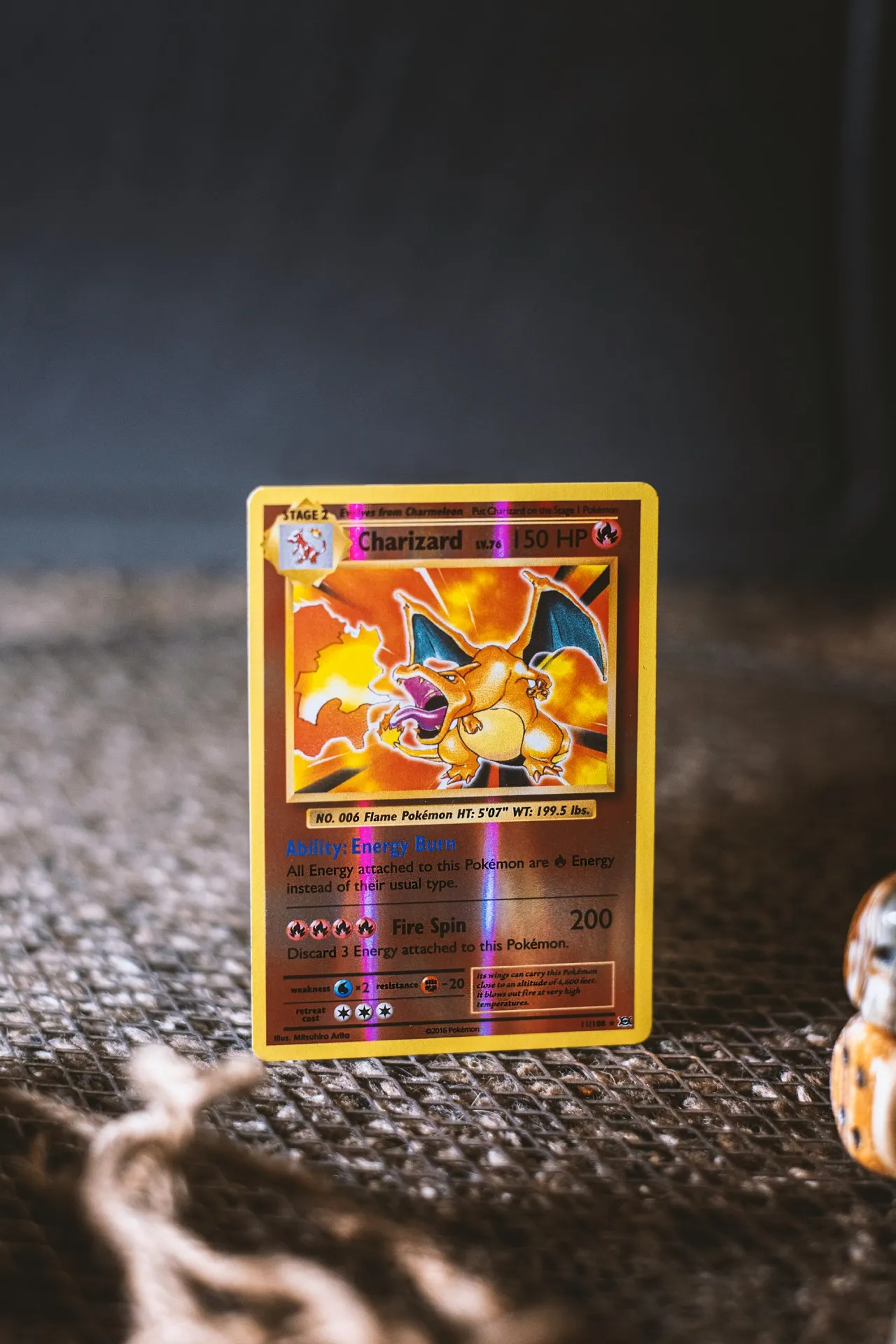
The table below shows the most valuable English-language vintage Pokémon cards with approximate values by PSA grade:
| Card | Set | PSA 7 | PSA 8 | PSA 9 | PSA 10 |
|---|---|---|---|---|---|
| Charizard Holo #4 | 1st Ed Base | $4,000–$7,000 | $8,000–$15,000 | $30,000–$60,000 | $250,000–$500,000+ |
| Blastoise Holo #2 | 1st Ed Base | $1,500–$3,000 | $3,000–$6,000 | $10,000–$20,000 | $50,000–$100,000 |
| Venusaur Holo #15 | 1st Ed Base | $1,000–$2,000 | $2,000–$4,000 | $7,000–$15,000 | $30,000–$60,000 |
| Charizard Holo #4 | Shadowless | $800–$1,500 | $1,500–$3,000 | $5,000–$10,000 | $25,000–$50,000 |
| Charizard Holo #4 | Unlimited | $100–$200 | $200–$400 | $400–$800 | $2,000–$5,000 |
| Pikachu Illustrator | Japanese Promo | $200,000+ | $300,000+ | $400,000+ | $500,000+ |
| Lugia Holo #9 | 1st Ed Neo Genesis | $500–$1,000 | $1,000–$2,000 | $3,000–$6,000 | $15,000–$30,000 |
| Dark Charizard Holo #4 | 1st Ed Team Rocket | $200–$400 | $400–$800 | $1,000–$2,000 | $5,000–$10,000 |
Wondering about yours?
Find out what your Pokémon is worth
Upload a photo and get an instant AI valuation with a realistic price range — free, and no account needed.
1st Edition Base Set: The Holy Grail
The 1st Edition Base Set, printed in early 1999, is the cornerstone of Pokémon card collecting. These cards feature a "1st Edition" stamp to the left of the artwork and were the first English-language Pokémon cards ever produced. A complete set of 102 cards in PSA 10 would be worth over $1 million. Even in average played condition, a 1st Edition holo rare is worth $200-$5,000+ depending on the specific card.
Shadowless: The Hidden Gems
Shadowless cards were printed after the 1st Edition run but before the standard "Unlimited" print run. They lack the drop shadow behind the artwork frame that appears on all later printings. Many people don't realize they have Shadowless cards — checking for this detail is one of the quickest ways to discover unexpected value in a collection. Shadowless holos typically trade at 3-10x the value of Unlimited versions.
Japanese Promos: The Ultra-Rarities
The most valuable Pokémon card in existence is the Pikachu Illustrator — a Japanese promotional card awarded to winners of illustration contests in 1998. With fewer than 40 known copies, PSA-graded examples have sold for over $5 million. While most collectors won't encounter one, it illustrates the extraordinary ceiling of the Pokémon card market.
How Grading Affects Value
Professional grading is the single biggest value multiplier in the Pokémon card market. The three major grading services are:
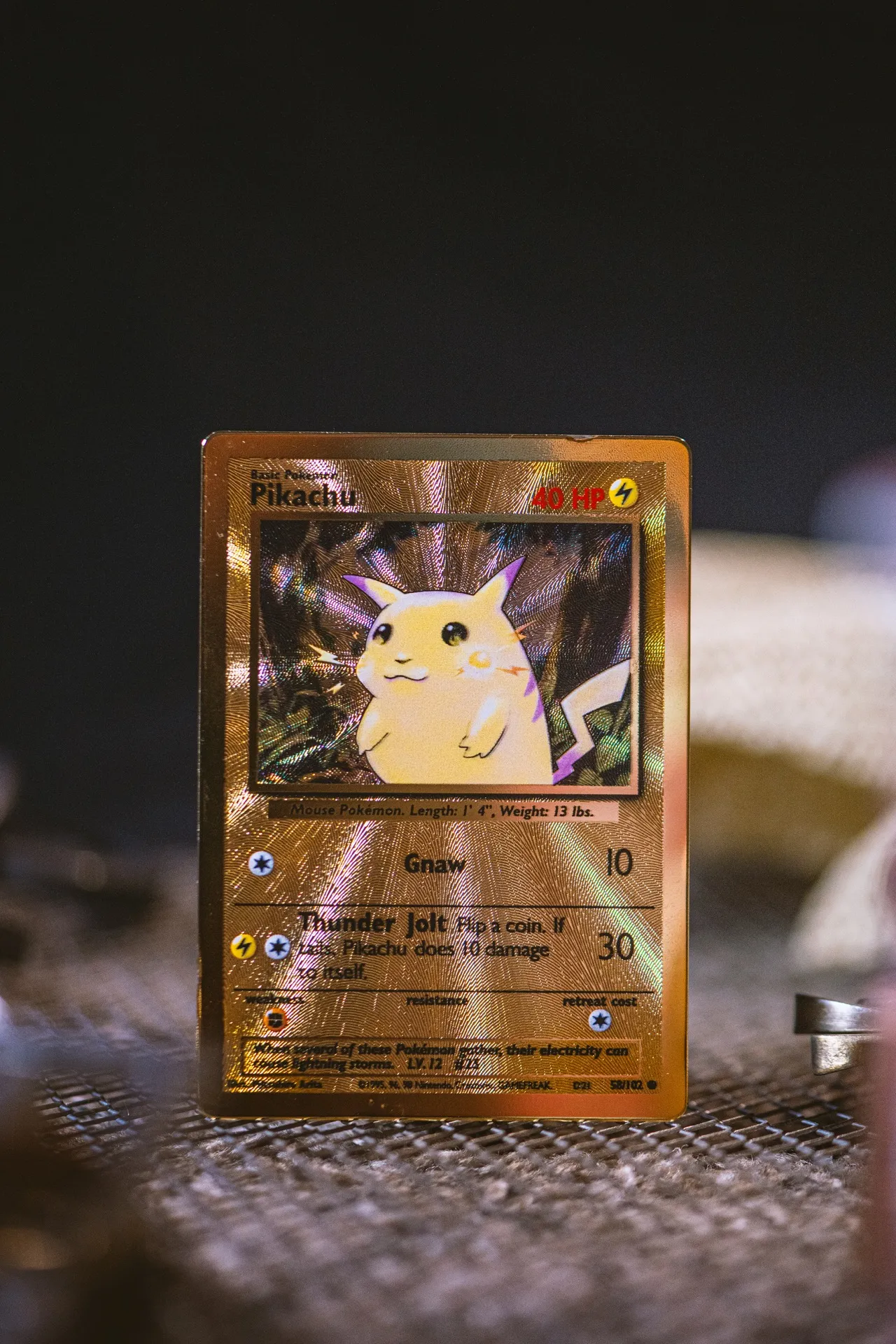
- PSA (Professional Sports Authenticator) — The market standard for Pokémon cards. PSA-graded cards command the highest premiums and most market liquidity.
- BGS (Beckett Grading Services) — Uses sub-grades for centering, edges, corners, and surface. BGS "Black Label" 10s (perfect 10 in all sub-grades) can exceed PSA 10 values.
- CGC (Certified Guaranty Company) — Newer to cards but growing in market acceptance. Generally trades at 10-20% below PSA equivalents.
The grade-to-value relationship is exponential, not linear. A PSA 10 1st Edition Charizard is worth 5-8x a PSA 9, and a PSA 9 is worth 3-5x a PSA 8. This is because the population of PSA 10s is tiny — out of thousands submitted, only a small percentage receive the perfect grade.
Identifying What You Have
1st Edition vs. Shadowless vs. Unlimited
Three key visual checks determine which print run your Base Set cards belong to:
- 1st Edition: Look for the "1st Edition" stamp (circled "1") on the left side of the card, below the artwork frame. Present = 1st Edition.
- Shadowless: No 1st Edition stamp, but also no drop shadow to the right of the artwork box. The HP text is thinner. The card stock may feel slightly different.
- Unlimited: No 1st Edition stamp, and a visible drop shadow on the right side of the artwork frame. This is the most common version.
Which Sets Are Valuable?
The vintage sets with the strongest collector demand are, in order: Base Set (1999), Base Set 2 (less valuable than original), Jungle (1999), Fossil (1999), Team Rocket (2000), Gym Heroes/Challenge (2000), and Neo Genesis/Discovery/Revelation/Destiny (2000-2002). Cards from 2003-2010 have less collector demand but certain cards are still valuable. The modern era (2011-present) has its own market dynamics with alt-art and special illustration cards commanding premiums.
Condition: What to Look For
Grading assesses four main areas:
- Centering: How well-centered the image is on both front and back. Off-center cards are penalized. 60/40 or worse limits a card to PSA 8 maximum.
- Surface: Scratches (often visible only under raking light), print lines, and surface contamination. The holographic surface on holo cards is particularly susceptible to micro-scratches.
- Edges: Whitening on the card edges is the most common flaw on played cards. Even minor edge wear prevents a PSA 10 grade.
- Corners: Corner wear, dings, and soft corners. All four corners must be sharp and undamaged for a 10 grade.
📖 Related: Where & How to Sell Collectibles — compare selling platforms for trading cards including eBay, TCGPlayer, and auction houses.
Market Trends: Pokémon Cards in 2026
After the explosive bubble of 2020-2021 (driven by pandemic boredom, YouTube influencers, and Logan Paul's $3.5 million pack opening), the vintage Pokémon market has matured:
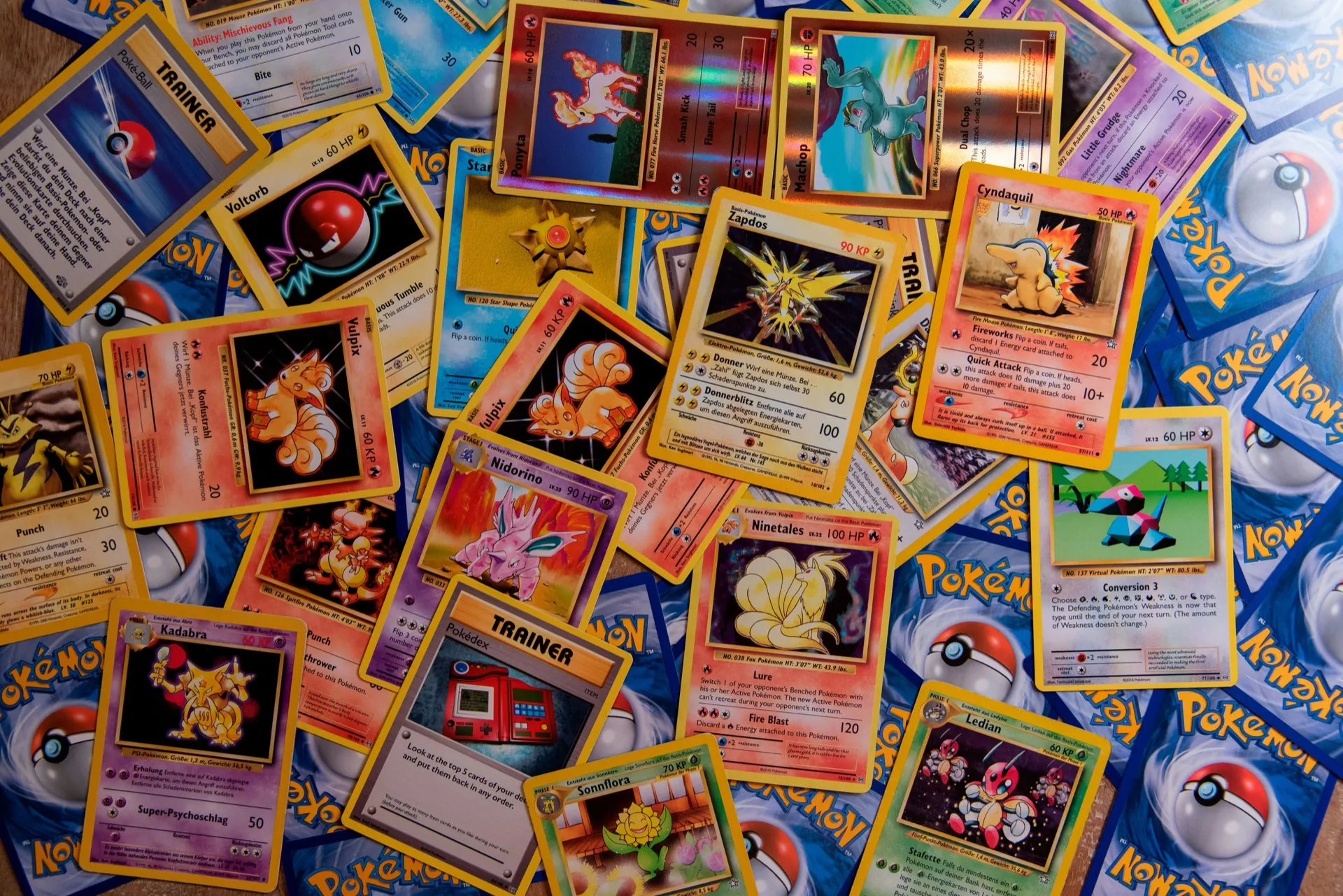
- 1st Edition Base Set remains the blue chip — top-grade cards have held their value through market corrections. The Charizard is the "Mona Lisa" of trading cards.
- Shadowless recognition growing — as more collectors learn about Shadowless, demand and prices for these cards continue to rise.
- Graded card premiums persist — the market strongly favors PSA/BGS graded cards over raw cards, with the premium growing as more collectors enter the market.
- Japanese vintage gaining global attention — Japanese Base Set and exclusive Japanese promos are increasingly targeted by Western collectors.
- Modern cards volatile — modern chase cards can spike with new releases but are more susceptible to reprints and market saturation.
📖 Related: Scan Your Cards for an instant AI-powered value estimate of your Pokémon collection.
Final Thoughts
The vintage Pokémon card market has evolved from a children's hobby into a sophisticated collectibles market with transparent pricing, professional grading infrastructure, and strong auction house support. If you have cards from the 1999-2002 era, the first step is always identification — check for 1st Edition stamps, Shadowless printing, and holographic rares. Even cards that seem ordinary can hold surprising value, especially if they've been stored in good condition. The childhood hobby that launched a generation of collectors is now a legitimate asset class, and understanding it starts with knowing what you have.
How to Value a Pokémon: Step by Step
-
Identify the Set and Print Run
Check the bottom right of the card for the set symbol. Base Set cards have no symbol (1999). Look for 1st Edition stamp (left of artwork) or Shadowless printing (no shadow on art frame). The set symbol, number, and copyright date identify the exact card.
-
Determine the Rarity
Rarity is shown by the symbol at the bottom right: circle = common, diamond = uncommon, star = rare, star with "H" or holographic = holographic rare. Holographic rares from vintage sets are the most valuable.
-
Assess the Condition
Examine for: centering (front and back), surface scratches, edge wear (whitening), corner damage, and any bends or creases. Use a loupe for surface scratches not visible to the naked eye. Condition dramatically affects value — a PSA 10 can be 10x+ the value of a PSA 7.
-
Check for Holographic Pattern
Vintage holographic cards have a distinct "star/cosmos" holo pattern across the artwork. This pattern should be even and undamaged. Faded or scratched holo patterns reduce value. Non-holographic versions of rare cards exist and are worth significantly less.
-
Research Current Market Value
Check recent sold listings on eBay (use "sold items" filter), TCGPlayer for market prices, and PSA/BGS population reports for graded prices. Pricecharting.com provides historical price data for specific cards and grades.
-
Consider Professional Grading
For cards potentially worth $50+, submit to PSA, BGS, or CGC. Grading authenticates the card, assesses condition on a 1-10 scale, and encapsulates it in a tamper-proof case. Graded cards sell for significantly more than raw (ungraded) cards.
-
Store Properly
Before selling, protect valuable cards in penny sleeves inside toploaders. Never use rubber bands, paper clips, or store cards loose. For long-term storage, use acid-free boxes in a climate-controlled environment.
What Drives the Value
- Set and print run — 1st Edition Base Set is the most valuable, followed by Shadowless, then Unlimited
- Specific card — Charizard, Blastoise, and Venusaur holographics are the "big three" of Base Set
- Condition/Grade — the single biggest multiplier; PSA 10 vs PSA 7 can be a 10-50x difference
- Holographic vs non-holographic — holo versions are worth 10-100x their non-holo counterparts
- Population (graded rarity) — fewer PSA 10s in existence means higher prices; check PSA Population Report
- Market timing — Pokémon card prices fluctuate with pop culture trends, new game/movie releases, and influencer attention
- Authenticity — counterfeit vintage cards are increasingly common; grading provides authentication
Identification Checklist
- 1st Edition stamp: circled "1" with "EDITION" below, left of artwork — only on earliest print runs
- Shadowless: no drop shadow to the right of the artwork frame, thinner HP font, lighter card stock — printed between 1st Edition and Unlimited
- Unlimited: has drop shadow on artwork frame, slightly different font weight — the most common Base Set printing
- Copyright date: "1999 Wizards" for English Base Set; "1996, 98, 99 Nintendo" for Japanese cards
- Holographic pattern: genuine vintage holos have a "cosmos/star" pattern that is uniform and vibrant
- Card stock: genuine vintage Pokémon cards have a specific feel — slightly textured front, smooth back, and consistent thickness
- The blue back color should be consistent and vibrant — faded or off-color backs suggest damage or counterfeit
How to Spot a Fake
- The "light test" — hold the card up to a bright light; genuine Pokémon cards have a thin black layer in the middle of the cardboard that blocks light; fakes often lack this
- The "rip test" (destructive — only for worthless suspected fakes) — genuine cards show a black core layer when torn; fakes show white or grey throughout
- Check the back color and pattern — genuine cards have a specific shade of blue with the Pokémon card back design; fakes often have a slightly different shade
- Card texture — genuine vintage cards have a slightly textured front surface (visible under raking light) and a smooth back
- Font and printing quality — examine text under magnification; genuine cards have crisp, consistent printing; fakes often show fuzzy text or dot-pattern printing visible at 10x
- Weight — genuine Pokémon cards weigh approximately 1.7-1.8 grams; significant deviations suggest a counterfeit
- Professional grading (PSA, BGS, CGC) is the gold standard for authentication — grading services reject counterfeit submissions