This item is typically worth $50 – $50,000, depending on reference, condition, originality, and provenance.
Market values current as of March 2026Why Knowing Real Gold Matters
Whether you've inherited jewelry, found pieces at an estate sale, or simply want to verify something you own, being able to identify real gold is a valuable skill. Gold jewelry ranges from everyday 10K pieces worth modest amounts to 24K gold items and designer pieces worth thousands. The difference between solid gold, gold-filled, and gold-plated can mean the difference between hundreds and pennies.
This guide walks you through every method — from simple home tests to professional analysis — so you can confidently identify what you have before selling, insuring, or appraising.
📖 Related: Complete Jewelry Valuation Guide — understand how all jewelry is valued, from gold purity to gemstone grading.
Understanding the Karat System
The karat (K) system measures gold purity as a fraction of 24 parts. Pure gold is 24 karats — too soft for most jewelry, so it's alloyed with other metals for durability. The table below shows the most common purities:
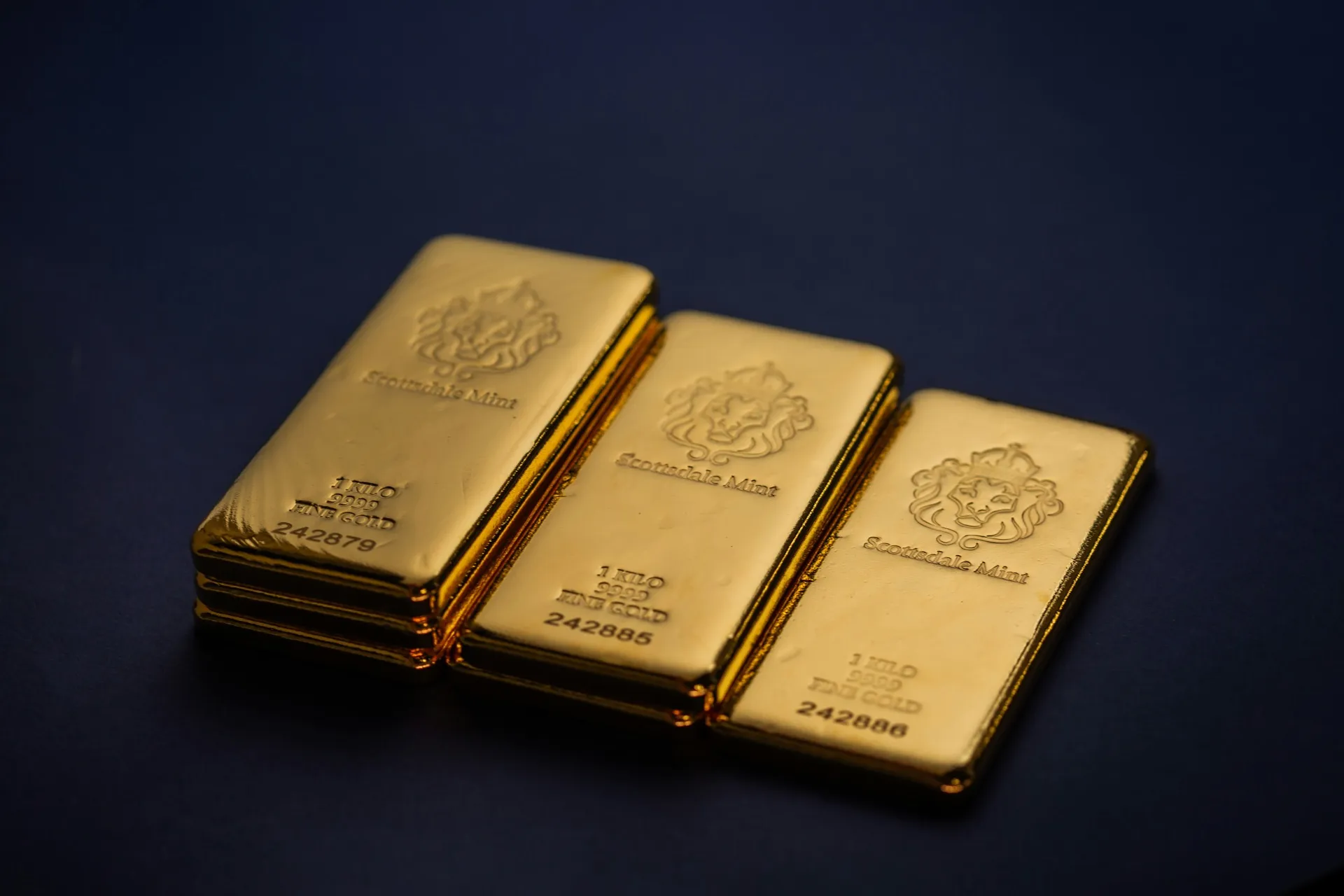
| Karat | Fineness | Gold Content | Common Use | Approx. Value per Gram (at $2,000/oz gold) |
|---|---|---|---|---|
| 24K | 999 | 99.9% | Investment bars, Asian jewelry | $64.30 |
| 22K | 916 | 91.6% | Indian/Middle Eastern jewelry | $58.90 |
| 18K | 750 | 75.0% | Fine jewelry, European standard | $48.20 |
| 14K | 585 | 58.5% | Most US jewelry | $37.60 |
| 10K | 417 | 41.7% | Budget jewelry, US minimum | $26.80 |
| 9K | 375 | 37.5% | UK/Australia standard | $24.10 |
Wondering about yours?
Find out what your item is worth
Upload a photo and get an instant AI valuation with a realistic price range — free, and no account needed.
Values are approximate based on a gold spot price of $2,000/troy oz. Check current prices for accurate calculations.
📖 Related: Gold Melt Value Calculator — instantly calculate what your gold is worth based on weight, karat, and live prices.
Gold Types: Solid vs. Filled vs. Plated
Solid Gold (10K–24K)
Solid gold jewelry is gold throughout — the same purity from surface to core. It's stamped with karat marks (10K, 14K, 18K, etc.) or fineness numbers (417, 585, 750). Solid gold has significant intrinsic value based on weight and purity.
Gold-Filled (GF)
Gold-filled jewelry has a thick layer of gold mechanically bonded to a brass or copper core. By US law, the gold layer must be at least 1/20th (5%) of the total weight. It's stamped "GF" or "1/20 14K GF." Gold-filled has some gold value and is much more durable than plating — it can last decades without wearing through.
Gold-Plated (GP, GEP, HGE)
Gold-plated jewelry has a microscopically thin layer of gold electroplated over base metal. The gold content is negligible — typically less than 0.05% of total weight. Stamps include "GP" (gold plated), "GEP" (gold electroplated), "HGE" (heavy gold electroplate), and "RGP" (rolled gold plate). These have virtually no gold value.
Vermeil
Vermeil is gold plating (at least 2.5 microns thick) over sterling silver. It combines the appearance of gold with silver's intrinsic value. Stamped "925" with gold color — the silver content has value even when the gold layer is minimal.
Home Testing Methods
1. The Hallmark Check
Your first step is always examining the piece under magnification (a 10x jeweler's loupe costs $10-15). Look for karat stamps on clasps, inner ring bands, chain tags, and earring posts. European pieces use the millesimal system (375, 585, 750). UK pieces may show a lion passant (gold) and date letter. US pieces typically show K notation.
2. The Magnet Test
Gold is not magnetic. Hold a strong neodymium magnet (not a refrigerator magnet) against the piece. If it's attracted, it's not solid gold. Important caveat: This test only rules things out — some non-gold metals (brass, copper, aluminum) are also non-magnetic. A piece passing the magnet test is not confirmed gold.
3. The Density Test
Gold is exceptionally dense — 19.3 g/cm³ for 24K, approximately 15.5 g/cm³ for 18K, and 13.1 g/cm³ for 14K. If you have a precise scale and can measure volume (via water displacement), you can calculate density and compare. Gold pieces feel noticeably heavy for their size.
4. The Ceramic Plate Test
Drag the piece firmly across an unglazed ceramic plate (the back of a white porcelain tile works). Gold leaves a gold-colored streak. Base metals leave a dark or black streak. This test is reliable but creates a visible scratch — use it only on inconspicuous areas.
Professional Testing Methods
Acid Testing
Acid test kits are available for $15-30 at jewelry supply stores. The process: scratch the piece on a testing stone to create a mark, then apply acid solutions of increasing karat strength. If the mark dissolves, the gold is below that karat. This is reliable and affordable but leaves a small scratch.
Electronic Testers
Electronic gold testers ($100-300) use electrical conductivity to estimate karat. They're non-destructive and give quick readings. Accuracy is good for solid gold but can be fooled by heavy gold plating. Best used as a screening tool rather than definitive test.
XRF Analysis
X-ray fluorescence is the gold standard (literally). An XRF analyzer gives exact composition percentages — gold, silver, copper, and any other metals — in seconds with zero damage. Most jewelers have XRF machines and charge $20-50 per test. For valuable pieces, this is the only test worth trusting completely.
The Gemological Institute of America (GIA) provides comprehensive resources on precious metal identification and grading standards.
International Hallmark Systems
Different countries use different hallmarking systems. Understanding these helps when evaluating inherited or imported jewelry:
- United States — Karat stamps (10K, 14K, 18K) with optional maker's mark. No government assay required.
- United Kingdom — Mandatory hallmarking since 1300. Includes fineness, assay office mark, date letter, and maker's mark. The London Assay Office has been hallmarking since 1478.
- Italy — Star symbol with manufacturer number, plus fineness (750). Italy is the world's largest gold jewelry manufacturer.
- France — Eagle head for 18K, owl for imported gold, rhinoceros head for platinum.
- India/Middle East — BIS hallmark (India), various national stamps. 22K is the dominant purity in these markets.
📖 Related: Cartier Love Bracelet Guide — a deep dive into one of the most valuable branded gold jewelry pieces.
Calculating Your Gold's Value
Once you've confirmed gold purity and weighed the piece, calculating value is straightforward:
Gold Value = Weight (grams) × Purity (decimal) × Gold Price per Gram
Example: A 14K gold chain weighing 25 grams with gold at $2,000/troy oz:
25g × 0.585 × $64.30/g = $940.20 melt value
Note: This is melt value only. Designer pieces, antique jewelry, and items with gemstones can be worth significantly more than their melt value. A Tiffany 18K gold bracelet might have $500 in gold but sell for $3,000+ due to brand value and craftsmanship.
📖 Related: Gold Melt Value Calculator — enter your weight and karat for an instant melt value calculation.
Final Thoughts
Identifying real gold doesn't require expensive equipment — a combination of hallmark inspection, the magnet test, and a simple density check can give you strong confidence in most cases. For valuable pieces or when certainty is needed, professional XRF testing at a local jeweler is affordable and definitive. The key is knowing that no single test is foolproof — use multiple methods together for reliable identification, and always seek professional analysis before making significant selling decisions.
How to Value This Item: Step by Step
-
Look for Hallmarks and Stamps
Examine the piece under magnification for karat stamps (10K, 14K, 18K, 24K) or European fineness marks (375, 585, 750, 916, 999). Check clasps, inner bands, and back surfaces. Note any additional marks (maker's mark, country assay marks).
-
Perform the Magnet Test
Use a strong neodymium magnet. Gold is non-magnetic — if the piece is attracted, it's not solid gold. Caution: some gold-plated items with non-magnetic base metals (like brass) will also pass this test, so it only rules things out.
-
Check the Weight and Density
Gold is very dense (19.3 g/cm³ for 24K). A gold piece feels noticeably heavier than a similarly-sized piece of base metal. For a rough test, hold the piece and a known gold piece of similar size — gold's weight is distinctive.
-
Look for Discoloration
Examine edges, clasps, and high-wear areas. Gold-plated items show base metal peeking through at wear points. Real gold maintains its color uniformly. Green or black skin discoloration when wearing the piece suggests base metal content.
-
Use the Ceramic Plate Test
Drag the piece across an unglazed ceramic plate. Gold leaves a gold-colored streak; fake gold or base metal leaves a black streak. Note: this test scratches the piece, so use it only on inconspicuous areas.
-
Consider an Acid Test
Gold testing acid kits are available for $15-30. You scratch the piece on a testing stone and apply acid of known karat strength. If the mark dissolves, the gold is lower than that karat. This is reliable but destructive — it leaves a scratch.
-
Get Professional XRF Testing
For valuable pieces, visit a jeweler with an XRF (X-ray fluorescence) analyzer. This non-destructive test gives exact gold purity in seconds with no damage to the piece. Cost is typically $20-50 per item.
What Drives the Value
- Karat purity — 24K (99.9%) is most valuable per gram, 10K (41.7%) least
- Weight — heavier pieces contain more gold; weigh on a precision scale for accurate valuation
- Current gold spot price — gold value fluctuates daily; check live prices for melt value calculation
- Craftsmanship — designer or antique gold jewelry can be worth significantly more than melt value
- Brand — Tiffany, Cartier, Van Cleef gold pieces carry substantial brand premiums over melt
- Condition — undamaged pieces with intact clasps and settings are easier to sell
- Gemstones — gold jewelry with quality gemstones has value beyond the gold content
Identification Checklist
- Check clasps, inner bands, and hidden surfaces for hallmarks — stamps are often in inconspicuous locations
- European hallmarks include fineness (750), maker's mark, and sometimes a country assay office symbol
- UK hallmarks include a lion passant (sterling silver), crown (gold), and a date letter indicating year of assay
- "GF" means gold-filled (has value), "GP" or "GEP" means gold-plated (minimal gold value), "HGE" means heavy gold electroplate
- Italian gold often marked 750 with a star and number — Italy is the largest gold jewelry manufacturer in Europe
- Absence of any stamp doesn't always mean fake — very old or handmade pieces may lack modern hallmarks
- Magnetic clasps on genuine gold jewelry mean the clasp itself may be a different metal — test the gold portion separately
How to Spot a Fake
- The magnet test is a quick first check — gold is non-magnetic; attracted pieces are not solid gold
- Hallmarks should be cleanly stamped and legible under magnification — blurry or uneven stamps warrant suspicion
- Gold-plated pieces may show base metal at wear points — check clasps, edges, and inner surfaces for discoloration
- Acid testing kits ($15-30) provide reliable results but leave a small scratch — test inconspicuous areas
- Electronic gold testers ($100-300) give quick karat readings non-destructively — useful for frequent testing
- XRF analysis at a jeweler is the gold standard — exact purity reading with zero damage
- When in doubt, any reputable jeweler can test gold for a nominal fee — the cost is negligible compared to the risk of misidentification