A Tiffany & Co. is typically worth $2,000 – $200,000, depending on reference, condition, originality, and provenance.
Market values current as of March 2026The World's Most Famous Engagement Ring
In 1886, Charles Lewis Tiffany introduced the "Tiffany Setting" — a six-prong platinum setting that raised the diamond above the band to maximize light entry from every angle. This single innovation didn't just create an engagement ring; it defined how the world thinks about engagement rings. Today, Tiffany & Co. remains the most recognized name in bridal jewelry, and their rings carry both an emotional and financial premium that affects resale values in specific ways.
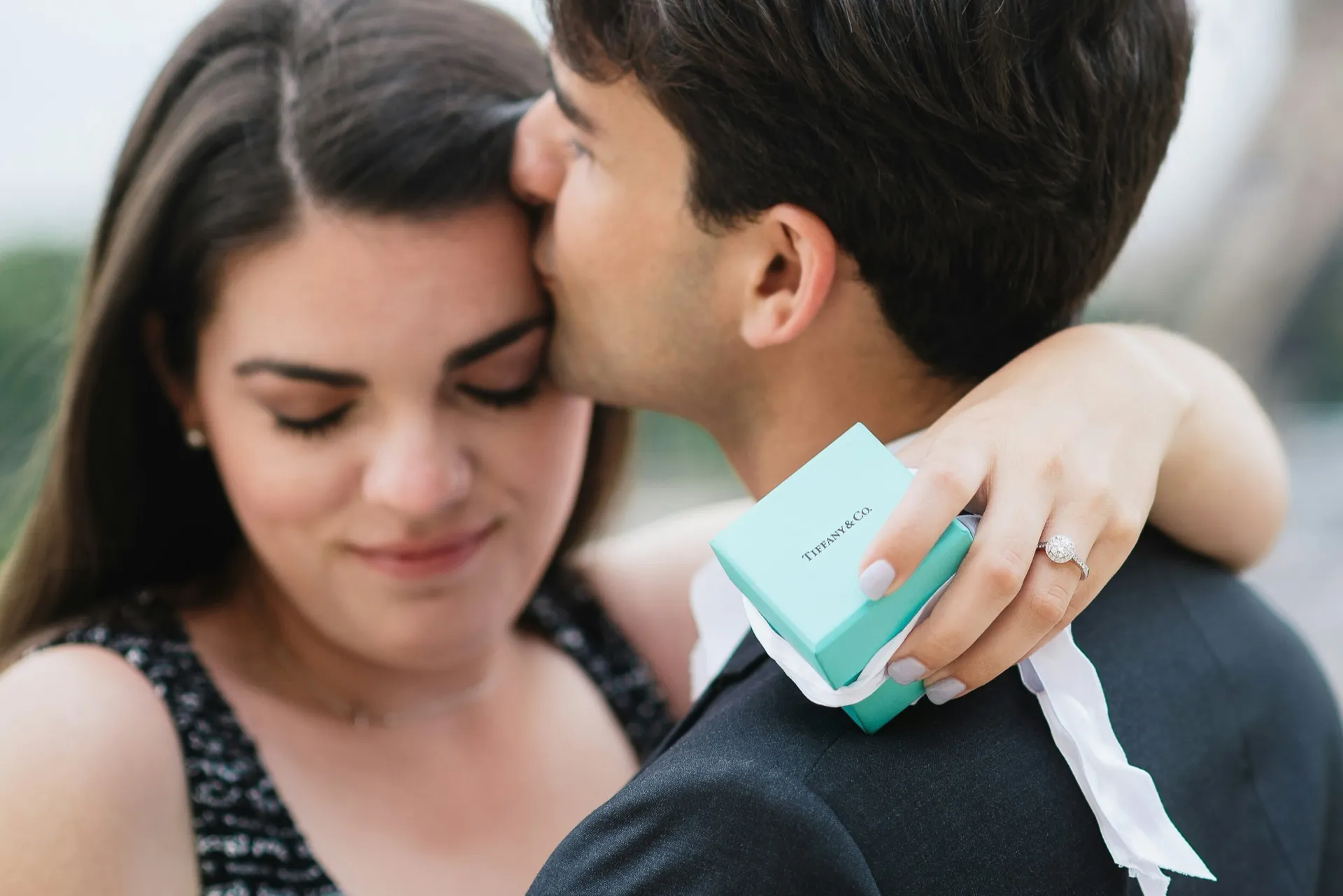
Understanding the "Tiffany premium" is essential for anyone looking to sell or value a Tiffany engagement ring. The brand charges 20-40% more than comparable loose diamonds due to their strict selection process, proprietary settings, and brand experience. On resale, this premium partially persists — but not entirely, creating a valuation dynamic unique to branded jewelry.
📖 Related: Complete Jewelry Valuation Guide — understand how all jewelry, including engagement rings, is valued.
Tiffany Collections and Their Market Position
| Collection | Style | Typical Carat Range | Retail Range | Pre-Owned Range |
|---|---|---|---|---|
| Tiffany Setting (6-prong) | Classic solitaire | 0.5–3.0ct | $5,000–$200,000+ | $3,000–$120,000 |
| Soleste | Halo setting | 0.3–2.0ct | $4,000–$80,000 | $2,500–$50,000 |
| Harmony | Knife-edge band | 0.5–2.0ct | $5,000–$100,000 | $3,000–$60,000 |
| Tiffany True | Modern, mixed cut | 0.5–2.0ct | $6,000–$90,000 | $3,500–$55,000 |
| Embrace | Band with diamonds | varies | $3,000–$30,000 | $2,000–$18,000 |
| Schlumberger by Tiffany | Designer, unique | 0.5–3.0ct | $8,000–$150,000 | $5,000–$100,000 |
Wondering about yours?
Find out what your Tiffany & Co. is worth
Upload a photo and get an instant AI valuation with a realistic price range — free, and no account needed.
The Tiffany Setting
The six-prong solitaire remains Tiffany's flagship and the most recognizable engagement ring design in the world. It accounts for the largest share of Tiffany engagement ring sales and holds value best on the secondary market due to its timeless design and universal appeal. Pre-owned Tiffany Settings typically sell for 50-65% of original retail price — significantly better than most jewelry.
Soleste Collection
The Soleste features a diamond halo surrounding the center stone, creating the appearance of a larger diamond. It appeals to buyers who want maximum visual impact. Resale values are strong but slightly below the classic Tiffany Setting, as halo designs are less exclusive to Tiffany.
The Diamond: 4Cs and the Tiffany Difference
Tiffany rejects approximately 99.96% of gem-grade diamonds. Their selection criteria exceed standard GIA grading requirements, particularly in cut quality. Tiffany evaluates not just the GIA cut grade but their own internal standard for brilliance, fire, and scintillation.
What This Means for Value
A 1-carat Tiffany diamond might retail for $12,000-$18,000, while a comparable GIA-certified loose diamond from an independent dealer might cost $6,000-$10,000. The premium covers Tiffany's selection, setting craftsmanship, brand experience, and lifetime service. On resale, the Tiffany ring typically sells for $6,000-$10,000 — meaning it aligns more closely with the loose diamond market but still commands a brand premium.
Resale Reality: Understanding Your Ring's Value
The most important thing to understand about Tiffany engagement ring resale is this: the retail markup does not fully transfer to secondary market value. This isn't unique to Tiffany — it's true of virtually all branded jewelry. The brand experience, blue box, and boutique service that justify the retail price are not transferable to a second owner.
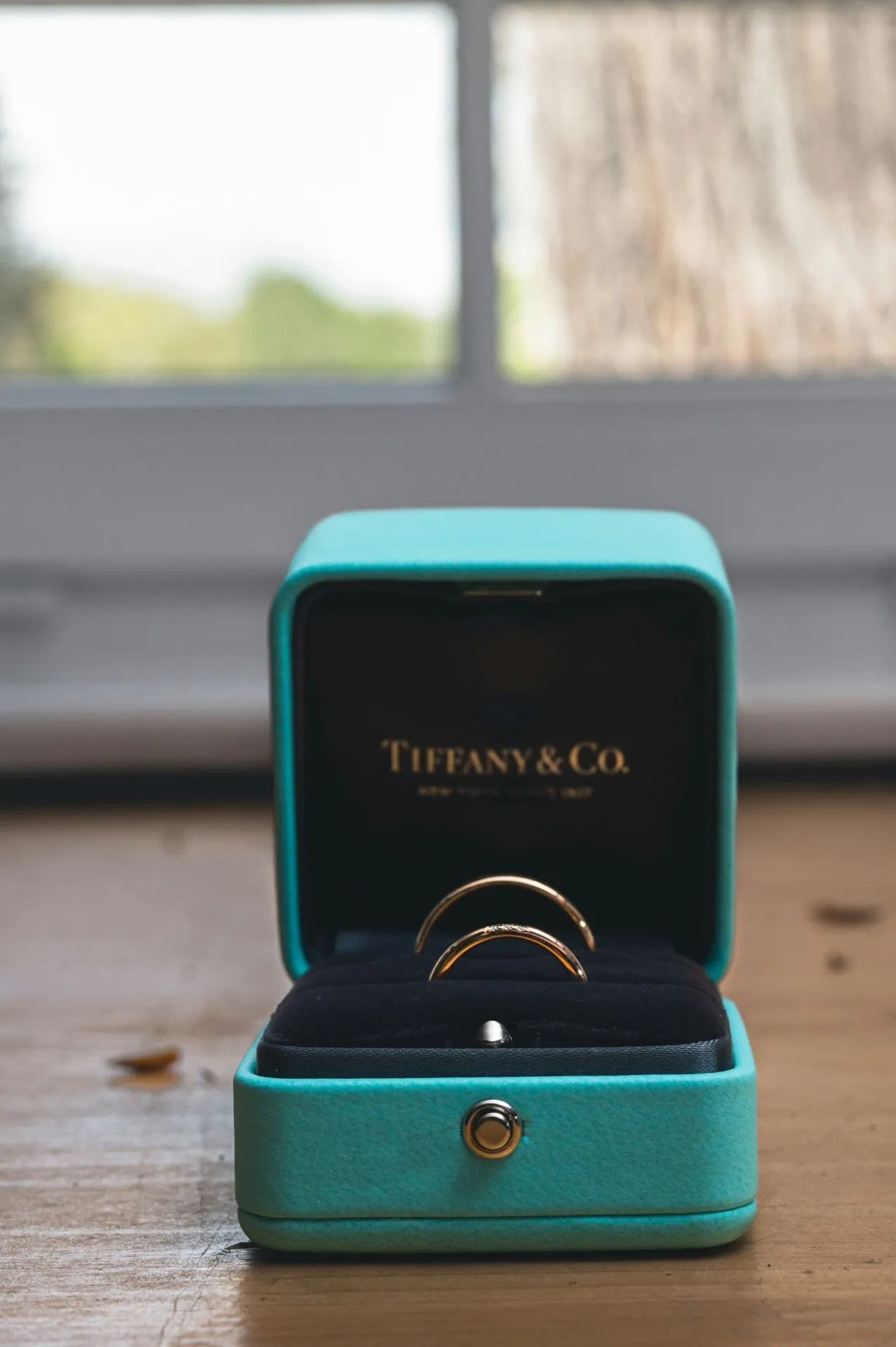
However, Tiffany rings consistently outperform unbranded jewelry on resale because:
- Authentication is straightforward — the Tiffany name, hallmarks, and serial numbers make verification easy, reducing buyer risk.
- Quality is guaranteed — buyers trust that a Tiffany diamond meets high standards without needing independent verification.
- Demand is persistent — many buyers specifically seek pre-owned Tiffany rings to access the brand at lower prices.
- Lifetime service — Tiffany offers cleaning, polishing, and prong retipping for rings purchased through their network.
📖 Related: Where & How to Sell Jewelry — compare platforms and channels for maximizing your ring's sale price.
Vintage Tiffany Rings: A Special Category
Pre-1990 Tiffany rings, particularly those from the Art Deco period or signed by notable designers (Jean Schlumberger, Elsa Peretti, Paloma Picasso), can command premiums above modern equivalents. The pre-LVMH era (before 2021) is increasingly seen as a distinct collecting category. Key factors: original settings, period-appropriate diamond cuts (old European, transitional), and documented provenance through Tiffany's archives.
Authentication
Authenticating a Tiffany ring is relatively straightforward. The "Tiffany & Co." engraving, metal purity marks, serial numbers, and Tiffany Diamond Certificate provide multiple verification points. Any Tiffany boutique will authenticate pieces free of charge. For online purchases, insist on seeing close-up photos of all engravings and the diamond certificate before buying.
📖 Related: Scan Your Jewelry for an instant AI-powered value estimate.
Final Thoughts
A Tiffany engagement ring is both an emotional symbol and a financial asset. Understanding the gap between retail premium and resale reality is essential for accurate valuation. The Tiffany Setting in platinum with a well-graded diamond remains one of the strongest-holding fine jewelry pieces on the secondary market, and complete sets with box, certificate, and receipt maximize your return. Whether selling, insuring, or simply curious, knowing your ring's market position puts you in control.
How to Value a Tiffany & Co.: Step by Step
-
Identify the Collection
Determine which Tiffany collection your ring belongs to: Tiffany Setting, Soleste, Harmony, True, Embrace, or a designer series (Schlumberger, Paloma Picasso, Elsa Peretti).
-
Document the Diamond Specs
Locate the Tiffany Diamond Certificate — it lists carat weight, color, clarity, and cut grade. If missing, Tiffany can re-issue documentation for rings purchased through their boutiques.
-
Check the Metal
Most Tiffany engagement rings are platinum (PT950). Some come in 18k yellow or rose gold. The metal type and ring size affect resale value.
-
Assess Condition
Check for prong wear, stone security, scratches on the band, and whether the rhodium plating on white gold is worn. A ring in excellent condition with minimal wear commands premium prices.
-
Gather All Documentation
The Tiffany blue box, outer box, certificate, receipt, and appraisal together maximize resale value. Missing documentation reduces the price but the engraved hallmarks still confirm authenticity.
-
Get a Comparative Valuation
Compare your diamond's specs to similar Tiffany rings on pre-owned platforms (The RealReal, Worthy, Tradesy) and diamond marketplaces. Factor the 20-30% Tiffany brand premium above loose diamond prices.
What Drives the Value
- Diamond quality — carat weight, color, clarity, and cut are the primary value drivers
- Collection — Tiffany Setting and Soleste tend to hold value best
- Metal — platinum rings hold value better than gold settings
- Completeness — box, certificate, and receipt add 10-20% to resale value
- Condition — prong integrity, band scratching, and stone security matter
- Age and provenance — vintage Tiffany pieces from notable designers command collector premiums
Identification Checklist
- "Tiffany & Co." is engraved inside the band — the font is distinctive and consistent across all pieces
- Metal purity mark: PT950 for platinum, Au750 for 18k gold
- Most rings have a serial number that Tiffany can cross-reference with their records
- Tiffany diamonds 0.18ct+ come laser-inscribed on the girdle with a Tiffany serial number (visible under magnification)
- The Tiffany Setting has six prongs — the iconic design that maximizes light entry from all angles
- Genuine Tiffany settings have exceptionally precise prong work — even, symmetrical, and polished
How to Spot a Fake
- Look for "Tiffany & Co." engraved inside the band in their proprietary font
- Check for PT950 or Au750 purity stamps adjacent to the Tiffany marking
- Examine the diamond girdle under 10x loupe for laser inscription of Tiffany serial number
- The quality of the setting work should be exceptional — perfect prong symmetry, no visible tool marks
- Bring the ring to any Tiffany boutique for complimentary authentication
- Cross-reference any serial number with Tiffany's customer service to verify the piece in their system