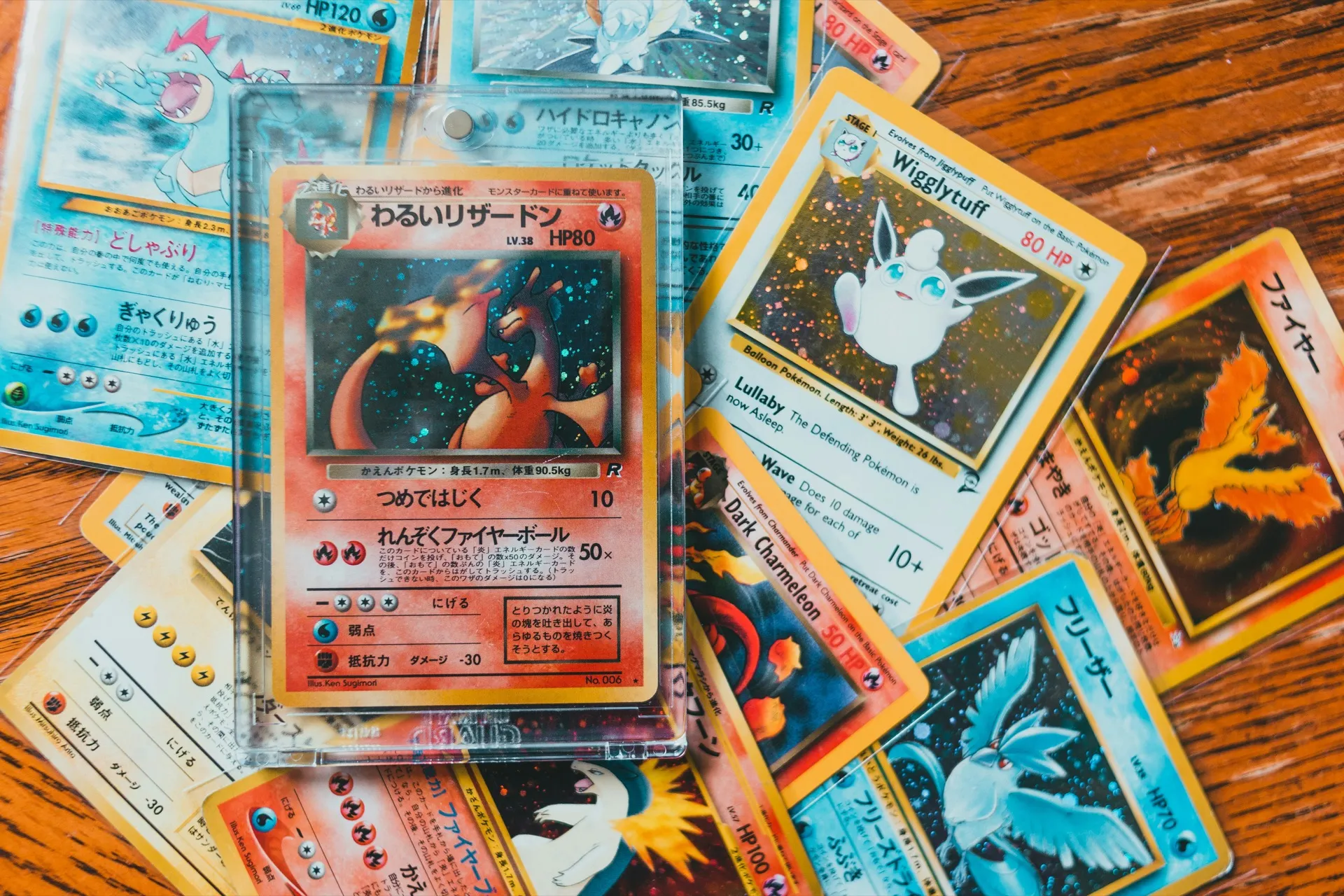
This item is typically worth $1 – $50,000, depending on reference, condition, originality, and provenance.
Market values current as of July 2026A stamp's value has almost nothing to do with its age and everything to do with scarcity, survival, and demand. Because postage was printed in the hundreds of millions, the overwhelming majority of stamps a collector will ever handle — including 19th-century classics like the 1840 Penny Black, of which roughly 68 million were printed — trade for only a few dollars to a few hundred dollars regardless of how old they are. What separates a common stamp from a treasure is a narrow set of factors: how few examples survive, the crispness of centering and margins, the presence of original gum, and whether the piece carries a genuine printing error.
This produces an extreme value spread that surprises most people who inherit a collection. The bulk of a typical album — canceled definitives, common commemoratives, and heavily hinged mid-century issues — often carries little cash value beyond bulk "kiloware" lots. Meanwhile, a tiny handful of rarities and error stamps command six-, seven-, and even eight-figure prices: the British Guiana 1c Magenta sold for $9.48 million in 2014, while a single Inverted Jenny broke the $2 million barrier in 2023.
Most stamps in a typical collection are worth from a few cents to roughly $50 each, with better classics reaching the low hundreds; genuine rarities and error stamps, however, range from thousands into the millions, with the record standing at $9.48 million for the British Guiana 1c Magenta.
Most valuable stamps
Figures below are drawn from collector guides and auction data and reflect strong-condition examples; actual prices vary with condition and completeness.
| Item | Typical value | Notes |
|---|---|---|
| British Guiana 1c Magenta (1856) | $9.48 million | The world's most valuable stamp — a single surviving example. Sold at Sotheby's New York in 2014. |
| Inverted Jenny (US, 1918) | $150,000–$2,000,000+ | 24c airmail with an inverted biplane; one sheet of 100 survives. A single example sold for $2M in Nov 2023. |
| Treskilling Yellow (Sweden, 1855) | ~$2.3 million (aggregated) | The only known example of the 3-skilling printed in yellow; set the single-stamp record in 1996. |
| US 1868 1c Franklin Z-Grill | $935,000–$4.4 million | America's rarest stamp — only two known. Bill Gross's example sold for $4.4M in June 2024. |
| Hawaiian Missionaries 2c Blue (1851) | $40,000–$660,000 per stamp; $2.09M on cover | The rarest Missionary value (~15 recorded). The Dawson Cover realized $2.09M. |
| Penny Black (Great Britain, 1840) | $75–$2,000 typical; $5,000–$15,000+ mint | The world's first adhesive postage stamp — common despite fame (~68M printed). |
Wondering about yours?
Find out what your item is worth
Upload a photo and get an instant AI valuation with a realistic price range — free, and no account needed.
What it actually sells for
Stamp value is driven by a stack of factors that compound. Rarity — the number of surviving examples — sets the ceiling, but condition determines where within that ceiling a stamp trades. Centering and clean, wide margins can multiply value several times over; original, undisturbed gum is decisive for unused stamps; and light or historically interesting cancellations matter for used ones. Printing errors and inverts create instant rarities. For any high-value stamp, an expert certificate from a recognized body such as the Philatelic Foundation or the American Philatelic Society is effectively mandatory, because regumming, reperforation, and fakes are common.
The market has split into two clear tiers. Genuine world-class rarities remain strong: recent record prices for the Inverted Jenny and the Z-Grill show top material still attracts deep-pocketed buyers. The broad middle and lower market, by contrast, has softened for years — an aging collector base combined with the collapse of everyday letter mail and easy online price transparency has pushed down values for common and mid-grade material. Ordinary stamps are worth less than many owners expect, while the rarities keep setting records.
Notable and record results include:
- British Guiana 1c Magenta (1856), the unique surviving example — world record for a single stamp — $9,480,000 (Sotheby's New York, 17 June 2014)
- 1868 1c Franklin Z-Grill (Bill Gross example, one of two known) — $4.4 million (Robert A. Siegel Auction Galleries, June 2024)
- Inverted Jenny, single stamp (position 49) — first single US stamp to top $2M — $2 million (Robert A. Siegel Auction Galleries, 8 Nov 2023)
Where and how to sell a stamp collection
For genuine rarities, established philatelic auction houses (e.g. Robert A. Siegel) reach serious buyers; for mid-value material, reputable APS-member dealers work well — compare auction house fees and browse coins & currency specialists. Get high-value items certified first. Not sure what you have? Get a free AI valuation from a photo, or read our complete collectibles guide.
Trusted resources
- American Philatelic Society (APS) — resources and expertizing (APEX)
- Robert A. Siegel Auction Galleries — auction records and census data
- The Philatelic Foundation — expertizing and authentication
- Stanley Gibbons — catalog and price guidance
- Smithsonian National Postal Museum
What Drives the Value
- Rarity — number of surviving examples and total quantity issued
- Condition, centering, and margin quality (grade)
- Original gum status for unused stamps (never-hinged commands the highest premium)
- Printing errors, inverts, missing colors, and imperforate varieties
- Cancellation type and quality on used stamps
- Expert certification and provenance / pedigree
- Current collector demand for the country, era, or topical theme
Identification Checklist
- Match the stamp to a catalog number — Scott (US) or Stanley Gibbons (UK/Commonwealth) — to pin down the issue and value
- Measure perforations with a perforation gauge; the same design in a different perf count can be far scarcer
- Check for watermarks using watermark fluid or a dark background — differences separate common issues from rarities
- Inspect for errors: inverted or shifted centers, missing colors, doubled printing, imperforate edges
- Look for the grill (embossed indentations) on relevant 1860s US issues — grill type is critical to value
- Note color shades, paper type, and printing method — catalogs list separate premium varieties
How to Spot a Fake
- Beware regumming — fresh gum applied to make an unused stamp look never-hinged; detectable under UV and by experts
- Watch for reperforation, where margins are trimmed and false perforations added to fake better centering
- Fakes, forgeries, and repaired examples are widespread among high-value stamps — assume nothing on a "bargain" rarity
- For any stamp of significant value, insist on a certificate from a recognized body (Philatelic Foundation, APS/APEX)