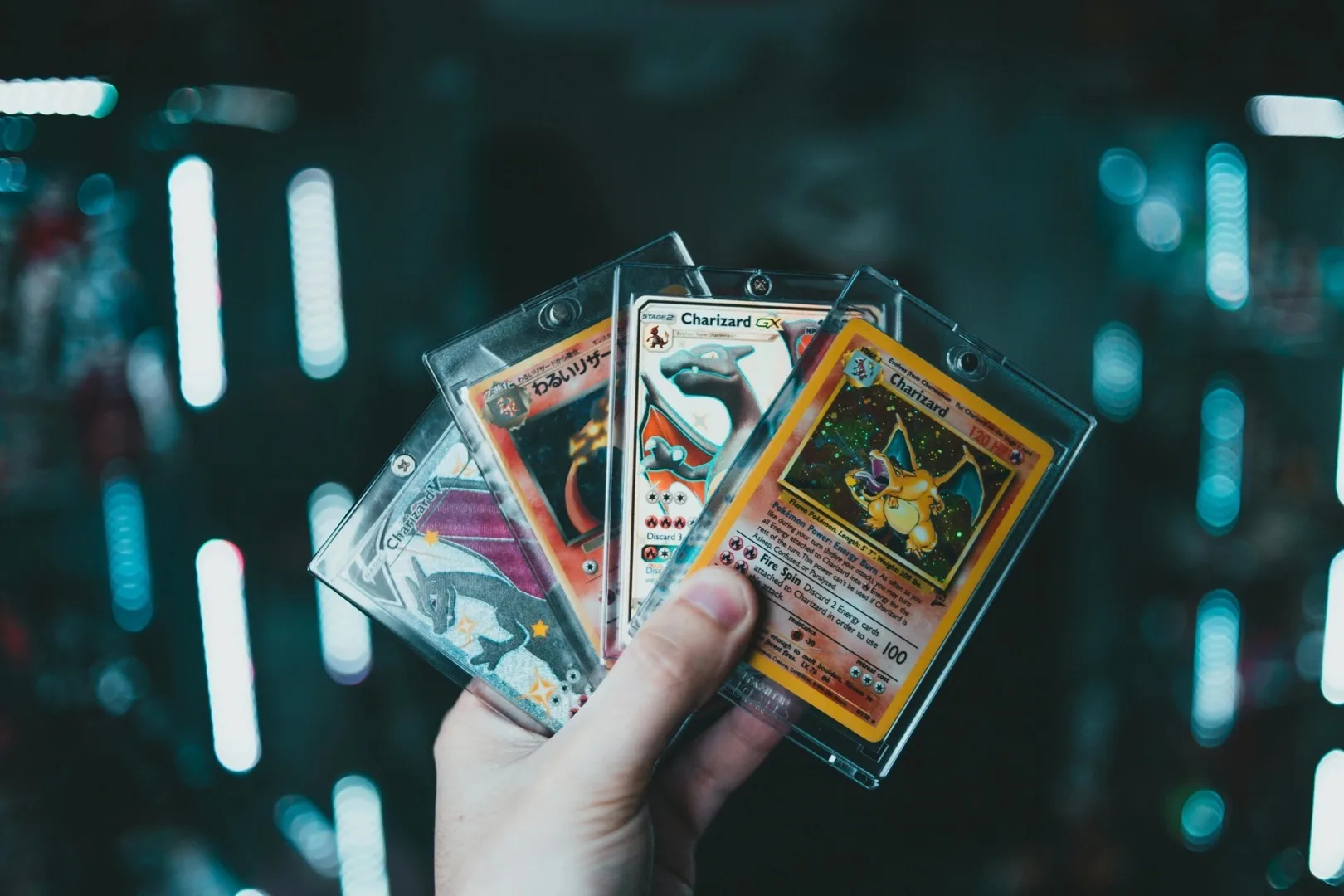
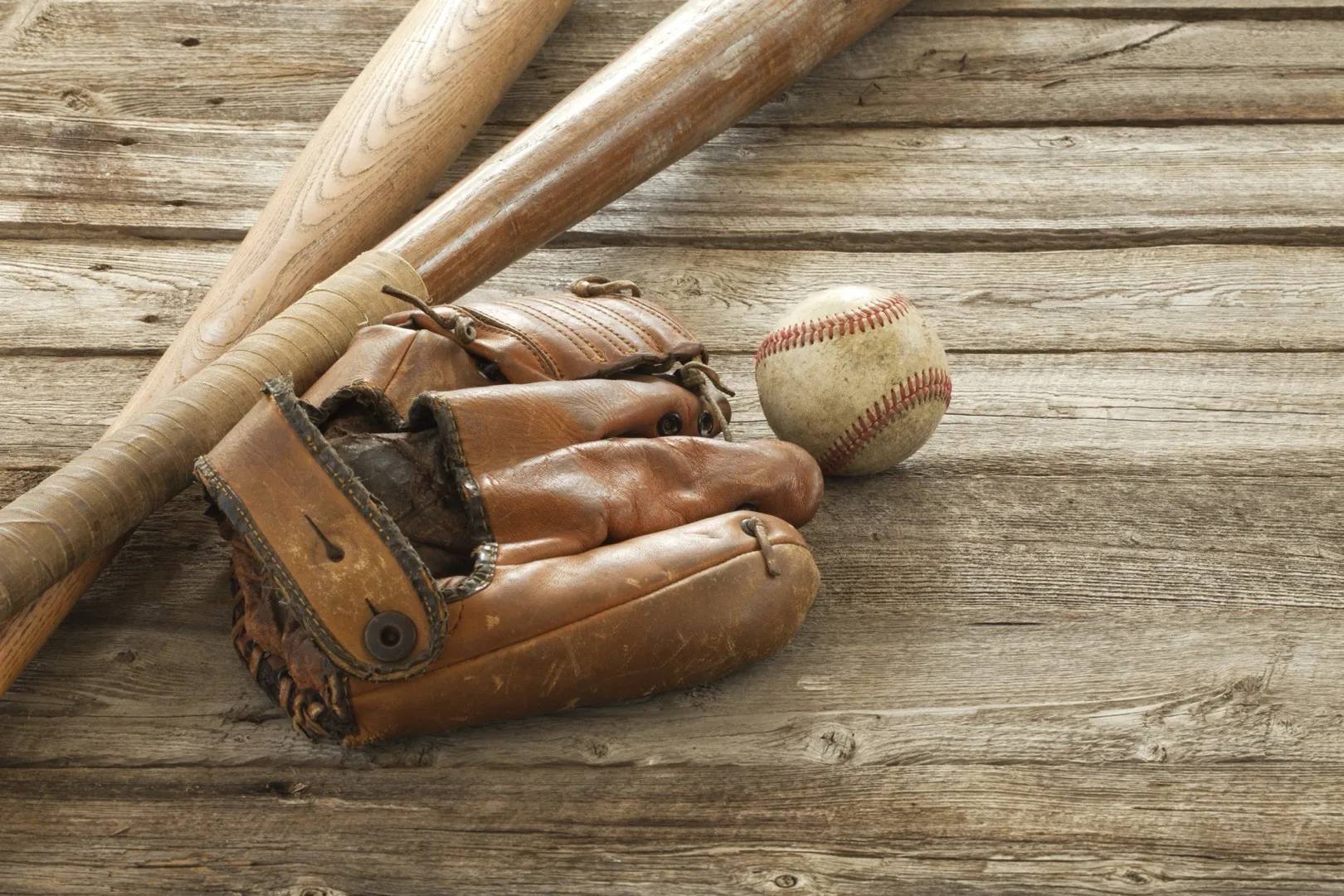
This item is typically worth $1 – $100, depending on set, edition, condition and grade.
Market values current as of November 2026Thinking of grading it? Work out whether it pays →
Most old baseball cards are worth very little, and that says nothing bad about whoever saved them. Cards from 1986 to 1994 were printed in enormous numbers and put away by millions of people who expected them to rise, so supply still swamps demand. Cards from before about 1975 are a different story: far fewer survived, and stars and rookies from the 1950s and 1960s sell for real money even when worn.
The fastest way through a box is to sort by year, pull the stars and rookies, and price only those.
Most cards in an attic box are worth pennies to a few dollars each. Half the sports cards people photographed on Estimonia were estimated at $15 or less. The exceptions are 1950s and 1960s Topps and Bowman cards of Hall of Famers, true rookie cards of stars, and a handful of 1989 to 1993 cards in top grades, such as the 1989 Upper Deck Ken Griffey Jr. #1, which brings thousands in a PSA 10 holder. A genuine 1952 Topps Mickey Mantle is worth tens of thousands even in poor shape, but most found in homes are reprints.
How to sort a shoebox of cards fast
Turn the cards over. The copyright year in the small print on the back tells you the set year. Then make four piles:
- Before 1970: Topps, Bowman, Fleer, and older candy or tobacco cards. Keep every one, even creased ones. Hall of Famers such as Mantle, Mays, Aaron, Clemente and Koufax matter most.
- 1970 to 1985: mostly Topps, joined by Fleer and Donruss in 1981. Commons are worth little, but complete sets, stars and rookies sell, such as the 1978 Topps Eddie Murray and Paul Molitor/Alan Trammell rookies or the 1980 Topps Rickey Henderson.
- 1986 to 1994, the "junk wax" years: Topps, Donruss, Fleer, Score, Upper Deck and Bowman. Assume pennies each unless a card is on the short list below.
- 1995 and later: look for a serial number stamped on the card (for example 23/50), autographs, swatches of jersey, and rookie cards of current stars. Base cards are worth little.
Within each pile, pull rookie cards (often marked "RC," "Rated Rookie" or "Star Rookie"), Hall of Famers, and anything with sharp corners and even borders. Condition can change a card's value tenfold. Photograph the front and back of each card you pulled for a first estimate before you spend anything on grading.
The few junk-wax cards that matter
- 1989 Upper Deck #1 Ken Griffey Jr.: the era's signature rookie. Raw copies are common; Gem Mint 10 copies sell for thousands.
- 1990 Topps #414 Frank Thomas "No Name on Front": a printing error that leaves a blank space where his name belongs. Normal copies are common; the error is scarce, and CGC notes that high-grade copies easily sell for thousands.
- 1993 SP #279 Derek Jeter: a foil rookie that chips at the edges, so high grades are rare and valuable.
- Famous errors such as the 1989 Fleer Billy Ripken bat-knob card are well known, but most error cards from these years were printed in large numbers and bring modest sums.
Have one like this? Photograph yours and see what it is worth — free, in about 20 seconds, no account.
Value mine free →Is it real or a reprint?
- Reprints: the 1952 Topps Mantle and other key vintage cards have been reprinted many times, by Topps and by others. Many say "reprint" on the back or carry a later copyright year. A Mantle found loose in a family box is far more likely to be a reprint than an original.
- Loupe test: under a 10x loupe, counterfeits often show a dot pattern in borders, names and solid colors where originals used solid ink. Bright white or glossy stock on a 1950s card is a red flag, and so is a card that glows under a black light.
- Size and trimming: since 1957 Topps cards have measured 2½ by 3½ inches, as the Baseball Hall of Fame notes. A card that is slightly small, or has razor-sharp but uneven edges, may have been trimmed, and graders reject trimmed cards as altered.
- Counterfeit rookies: fakes exist of the most valuable modern-era rookies, including the 1989 Upper Deck Griffey. Genuine copies have a small hologram built into the back.
- Fake holders: check the certification number on the grading company's website and compare its photo with the card in hand.
What old baseball cards sell for
Typical values from sold results, not asking prices. Dealers pay less than these figures.
| Card or lot | Typical value | Notes |
|---|---|---|
| 1986 to 1994 commons | Pennies each | Many dealers will not buy them at all. |
| 1986 to 1994 complete factory set | $15 to $100 | 1989 Upper Deck sits at the top because of the Griffey. |
| Junk-wax star rookie, raw | $5 to $150 | Griffey, Thomas and Jeter lead. |
| Same rookie graded PSA 10 | $200 to $5,000+ | Only a small share of copies reach a 10. |
| 1970s Topps commons | $0.25 to $3 each | Sharp, centered cards more. |
| 1970s Topps complete set, mixed grades | $150 to $1,000 | Earlier years and higher grades bring more. |
| 1950s and 1960s Topps commons, played | $2 to $20 each | Creases and writing lower value but do not erase it. |
| 1950s and 1960s Hall of Famers, low grade | $50 to $1,000+ | Rookies and Mantle far more. |
| Modern numbered parallels and autographs | $1 to several hundred dollars | Low serial numbers of star players lead. |
Wondering about yours?
Find out what your item is worth
Upload a photo and get an instant AI valuation with a realistic price range — free, and no account needed.
- $72,000: 1952 Topps #311 Mickey Mantle, PSA Good+ 2.5, Robert Edward Auctions, Summer 2025 (verified).
- $35,670: 1989 Upper Deck near-complete set, 765 of 800 cards, all but one graded PSA 10, Robert Edward Auctions, March 2026 (verified).
- $5,043: 1989 Upper Deck #1 Ken Griffey Jr., PSA Gem Mint 10, Robert Edward Auctions, March 2026 (verified).
- $4,080: 1956 Topps partial set, 261 of 340 cards, mostly VG-EX to EX and missing the Mantle, Robert Edward Auctions, Spring 2025 (verified).
- $390: four boxed 1989 Upper Deck factory sets, two still sealed, each with a Griffey rookie inside, Robert Edward Auctions, Fall 2024 (verified).
- $390: 1979 and 1980 Topps complete sets, 1,452 cards in mixed VG to NM condition, Robert Edward Auctions, Summer 2025 (verified).
- $180: 1978 Topps complete set of 726 cards, mostly EX, with the Murray and Molitor/Trammell rookies, Robert Edward Auctions, Summer 2025 (verified).
The 1989 Upper Deck results show the gap: four complete raw sets brought $390 together, while one Griffey in a PSA 10 holder brought $5,043.
What Estimonia valuations show
From July to early November 2026, people photographed 231 sports cards on Estimonia. Most were baseball, with football, soccer and Formula 1 cards mixed in. Half were estimated at $15 or less, and the middle half fell between $7 and $38. About 64% came in under $25 and only one in ten above $80. Six percent reached $100 or more, 2% reached $500, and five cards reached $1,000 or more.
The cards ranged from 1980s Topps and Donruss baseball, a 1986 Topps Pete Rose record breaker and a 1982 Topps Joe Montana to recent Topps Chrome and Panini Prizm parallels, serial-numbered soccer cards, Formula 1 cards with race-used relics, and a few cards already graded PSA 10.
These are AI estimates from photos people uploaded, not sale prices, which is why they show what is typical in real homes rather than auction headlines. For your box, it means most cards will land where these did, and the ones worth grading or consigning are usually a handful at most.
Is grading worth it?
Grading costs real money. CGC's cheapest card tier is $15 a card under fees effective January 2026. PSA's cheapest tier was $24.99 a card after a February 2026 increase, with a 20-card minimum and a paid membership; check PSA's site for which tiers are open. Add shipping both ways and insurance, and eBay then takes 13.25% when you sell.
Grade a card only when its graded value clearly beats the raw value plus roughly $30 to $40 in costs: usually vintage stars, sharp key rookies and numbered parallels of top players. Our card grading calculator runs the numbers with realistic grade odds. A 1988 Topps common will never pay for its holder.
What to do now
- Do not clean, press, trim or rubber-band cards. Keep them upright in boxes, and put the pulled cards in soft sleeves and rigid top loaders. Any trimming or "restoration" makes a card ungradeable.
- Junk-wax bulk: sell it locally as a lot, give it to a young collector, or donate it. Shipping often costs more than the cards are worth.
- Mid-value singles and sets: eBay works well. Trading card fees are 13.25% of the total, including shipping, on sales up to $7,500, plus $0.40 per order over $10, per eBay's fee page. Price from sold listings, not asking prices.
- Card shops and shows: fast, but they pay below sold prices because they must resell. Get two offers.
- High-value vintage: 1950s stars, complete 1950s and 1960s sets and anything likely to grade well belong with a sports auction house. Compare commissions on our auction house fees page and read estate sale vs. auction vs. selling it yourself.
For a whole collection, follow our inherited baseball card collection plan. Autographs and game-used items are covered in the sports memorabilia value guide, other cards in the trading card value guide.
Trusted resources
- Robert Edward Auctions archive: realized prices for vintage cards and sets.
- PSA and CGC population reports and certification lookups.
- eBay sold listings, filtered by "Sold items."
What Drives the Value
- Era — cards from before 1970 survive in small numbers; 1986 to 1994 cards were massively overproduced.
- Player — Hall of Famers and current stars carry the market; commons sell for pennies.
- Rookie status — a player's first regular card is usually his most valuable.
- Condition — corners, edges, surface and centering can change value by ten times or more.
- Grade — a PSA 10 or equivalent can be worth many times the same card raw, since few copies reach it.
- Scarcity on modern cards — low serial numbers, autographs and short-printed parallels lead.
- Completeness — complete vintage sets sell more easily than loose commons.
Identification Checklist
- Read the copyright year in the small print on the back of the card to date the set.
- Sort into piles: before 1970, 1970 to 1985, 1986 to 1994 junk wax, and 1995 onward.
- Pull rookie cards marked RC, Rated Rookie or Star Rookie, and Hall of Famers such as Mantle, Mays, Aaron and Clemente.
- On modern cards, look for serial numbers like 23/50, autographs, and jersey or race-used relic swatches.
- Check for the 1989 Upper Deck #1 Griffey, the 1990 Topps #414 Frank Thomas with no name on the front, and the 1993 SP #279 Derek Jeter.
- Judge condition: four sharp corners, clean edges, even borders and no creases can multiply value many times.
- Measure suspect vintage cards: Topps cards from 1957 on should be 2.5 by 3.5 inches.
How to Spot a Fake
- Look for the word reprint or a later copyright year on the back of any famous vintage card.
- Use a 10x loupe: dot patterns in borders, names and solid colors suggest a reproduction.
- Be wary of bright white or glossy stock on 1950s and 1960s cards, and of cards that glow under black light.
- Measure the card and inspect the edges; trimmed cards are smaller or unnaturally sharp and are rejected by graders.
- On a 1989 Upper Deck Griffey, confirm the small hologram built into the back.
- Verify any graded card's certification number on the grading company's website and compare the photo.