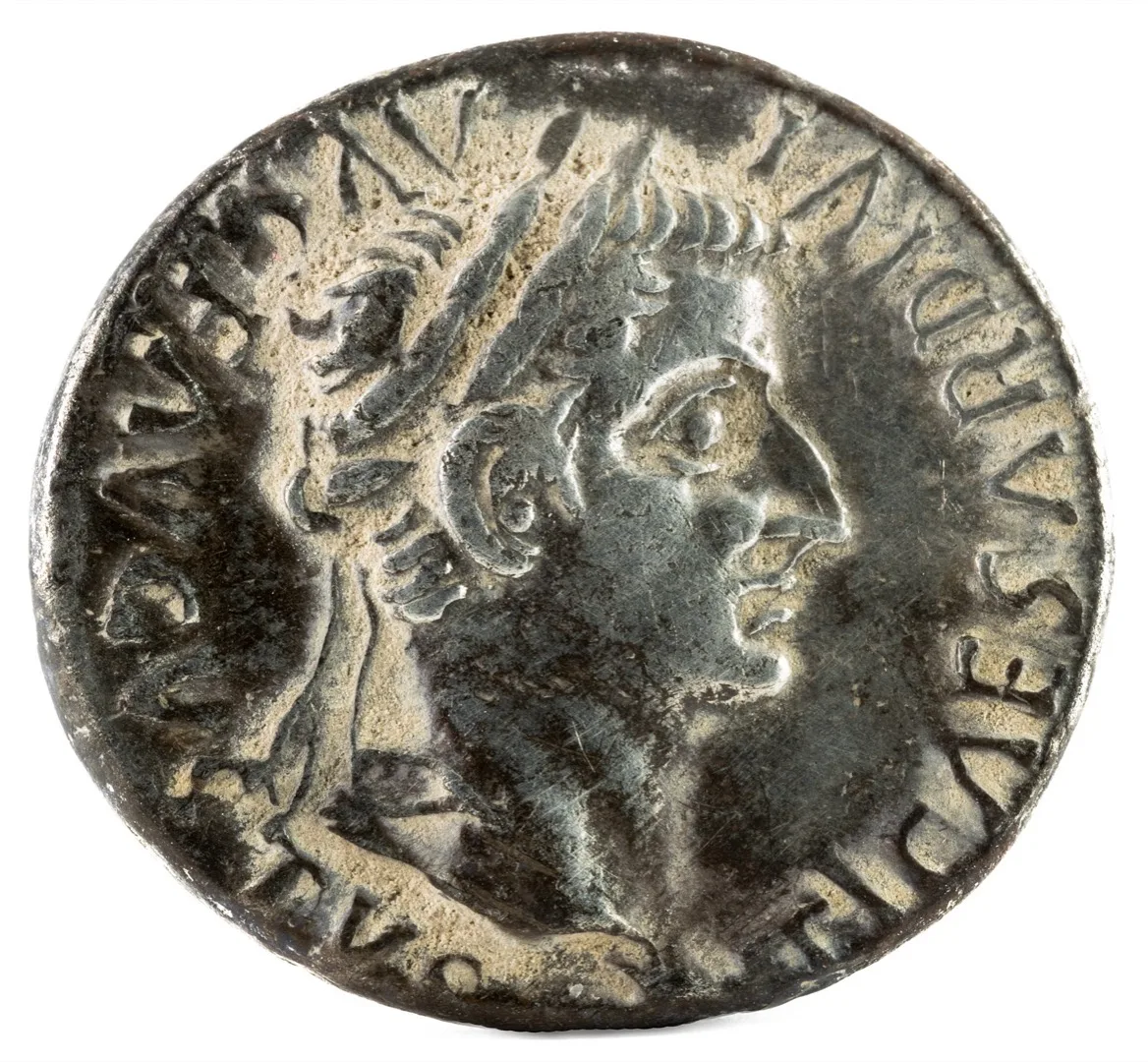
This item is typically worth $20 – $3,000, depending on reference, condition, originality, and provenance.
Market values current as of October 2026Most ancient Greek coins in family collections are small bronzes worth $10 to $60 each, or common silver drachms worth a few hundred dollars. Silver tetradrachms, such as the Athenian owl, Alexander the Great issues and Tyre shekels, are the coins that usually reach $500 to $3,000.
The big prices go to exceptional pieces: decadrachms, signed dies by famous engravers, and coins with superb style and old provenance. Fakes are common at every level, so authenticity is the first question to settle.
A worn Greek bronze (AE) is typically worth $10 to $60. Alexander the Great drachms usually bring $150 to $600, and Athenian owl tetradrachms and Tyre shekels typically sell for $700 to $3,000 depending on grade and wear marks. Syracuse decadrachms sell for tens of thousands to over $300,000. Weigh the coin and check for casting signs before anything else.
What exactly do you have?
Greek coins are identified by four things: denomination (usually judged by weight), ruler or city, mint, and legend.
- Athens owl tetradrachm: helmeted Athena on the obverse; owl with olive sprig and the letters ΑΘΕ on the reverse; about 17.2 g. Classical owls (454–404 BC) are thick and compact; "New Style" owls (2nd–1st century BC) are broad and flat, with the owl on an amphora inside a wreath.
- Alexander the Great: Herakles in a lion-skin headdress; Zeus seated with an eagle and the legend ΑΛΕΞΑΝΔΡΟΥ. Drachms weigh about 4.2 to 4.3 g, tetradrachms about 17.2 g. Small symbols and monograms in the field identify the mint and date; many were struck after his death in his name.
- Tyre shekel: Melkart (Herakles) head; eagle on a prow; about 14 g; dated in the Tyrian era. Shekels dated in the lifetime of Christ attract extra demand.
- Syracuse: chariot on one side, the nymph Arethusa with dolphins on the other. Decadrachms weigh 42 to 43 g; a tiny "KI" on Arethusa's headband marks the engraver Kimon.
- Bronzes ("AE"): AE plus a size in millimeters (AE15, AE20) is how dealers describe them; most are worn city issues.
Start with a scale accurate to 0.01 g and a ruler, then photograph both sides of the coin and its edge for a first read.
Is it real?
Fakes and copies of Greek coins are extremely common, and the most-copied types are exactly the popular ones: owls, Alexanders, Syracuse decadrachms and Tyre shekels.
- Tourist copies: bought at sites in Greece, Turkey or Israel, often sold as "found here." Many are cast or pressed in base metal. Under the US Hobby Protection Act, replicas sold in the US must be marked COPY.
- Cast fakes: a seam or filed line around the edge, small pits or bubbles, soft "soapy" detail, and a weight slightly under standard because of shrinkage.
- Die-struck fakes: Bulgaria is described as one of the leading sources of struck and cast counterfeits; catalogues by Prokopov and Paunov document hundreds of them, including Alexander tetradrachms. They can have correct weight and good silver, and only a specialist can rule them out.
- Warning signs: perfectly round flans, identical coins in a lot, fresh-looking "dirt" that wipes off, and artificial toning.
NGC Ancients grading
NGC grades ancients with adjectives, not the 70-point scale: VF, Ch VF, XF, Ch XF, AU and MS. Ch XF corresponds to about 45 on the Sheldon scale. Separate 1–5 scores rate Strike (centering, strength, die state) and Surface (luster, corrosion, marks). "Fine Style" recognizes superior engraving, and a star marks exceptional eye appeal. The label also records test cuts, banker's marks, clipping and edge filing, all of which lower value. A Ch XF 5/5 – 4/5 owl is worth noticeably more than an XF 4/5 – 2/5 coin with a test cut.
What Greek coins sell for
| Item | Typical value | Notes |
|---|---|---|
| Common Greek bronzes (AE), worn | $10 to $60 | Attractive or rare cities bring $100 to $500. |
| Alexander III drachm | $150 to $600 | Lifetime issues and EF grades at the top. |
| Alexander III tetradrachm | $500 to $2,500 | Lifetime issues and fine style bring more. |
| Athens owl tetradrachm (classical) | $800 to $3,000 | Test cuts and countermarks pull prices down. |
| Tyre shekel | $700 to $3,500 | Early dates and "lifetime of Christ" years higher. |
| Syracuse tetradrachm | $1,000 to $15,000+ | Signed dies far more. |
| Syracuse decadrachm (Kimon/Euainetos) | $40,000 to $350,000+ | Signed, well-centered coins at the top. |
Wondering about yours?
Find out what your item is worth
Upload a photo and get an instant AI valuation with a realistic price range — free, and no account needed.
Prices at CNG are hammer prices; the buyer also pays a fee of 18 to 20 percent. Dealers buying from you will typically offer 50 to 70 percent of what they expect to resell for. Verified results:
- $1,300 + fee: Athens owl tetradrachm, 454–404 BC, EF, CNG Electronic Auction 576, December 2024 (verified).
- $400 + fee: Alexander III drachm, Lampsakos mint, EF, CNG Electronic Auction 459, January 2020 (verified).
- $950 + fee: Tyre shekel dated AD 12/13, Fine, CNG Electronic Auction 458, December 2019 (verified).
- $340,750: Syracuse decadrachm in the style of Euainetos, Heritage, Chicago, August 2014 (verified).
- $994,500: Naxos tetradrachm, Prospero Collection sale, January 2012 (verified).
- CHF 2,714,000 (about $2.92 million with fee): Akragas decadrachm, Numismatica Ars Classica Auction 66, Zurich, October 2012, a record for a Greek silver coin (verified).
- $3,802,500: Pantikapaion gold stater, Prospero Collection, January 2012, the highest price recorded for a Greek coin at that time (verified).
Legality and provenance
Owning ancient coins is legal in the US. Importing them is the issue: the US has agreements with Greece, Cyprus, Italy, Bulgaria, Türkiye, Egypt and others, and many ancient coin types struck in those regions can only enter the US with documents showing lawful export or that they left the country before the restriction date. Greece and Türkiye also require permits to export antiquities, so a coin "found" on holiday may have been illegal to take home. Old purchase receipts, collection tickets and auction catalogs add value and make major auction houses willing to sell a coin.
What to do now
- Do not clean, scrub or dip coins. Green crust on a bronze and toning on silver are part of the value.
- Keep any old envelopes, tickets and receipts with each coin.
- For coins under $300, specialist dealers or group lots at CNG-style electronic auctions are realistic routes.
- For silver tetradrachms and better, NGC Ancients grading helps online sales; for top coins, consign to CNG, Heritage, Roma Numismatics or Nomos. Compare commissions in our auction house fees guide and find specialists in our coin and currency directory.
- Roman coins in the same collection are covered in our ancient Roman coin value guide; for gold pieces see the gold coin value guide.
Trusted resources
- NGC Ancients grading: grade, strike, surface and style explained.
- CNG archive: Athens owl tetradrachm result.
- CNG archive: Alexander III drachm result.
- CNG archive: Tyre shekel result.
- Coin World: Akragas decadrachm record.
- Syracuse decadrachm at Heritage.
- Coin authentication newsletter: Bulgarian counterfeiting.
- 19 CFR 12.104g: list of US cultural property import agreements.
What Drives the Value
- Type and city - Athens owls, Alexanders and Tyre shekels have broad demand; rare cities and decadrachms command large premiums.
- Wear grade - an EF or Ch XF coin can bring several times a VF example of the same type.
- Strike and centering - full, centered designs (high NGC Strike scores) sell much better than off-center coins.
- Surface - corrosion, porosity, scratches or harsh cleaning lower NGC Surface scores and prices.
- Test cuts and countermarks - ancient test cuts on owls and other silver reduce value noticeably.
- Style - dies by famous engravers (Kimon, Euainetos) and NGC Fine Style designations add significant premiums.
- Provenance - old collection tickets, receipts and auction catalogs add value and make legal resale easier.
- Authenticity - an NGC Ancients slab or an auction house guarantee removes buyer doubt and raises bids.
Identification Checklist
- Weigh the coin to 0.01 g: Attic tetradrachms weigh about 17.2 g, drachms about 4.3 g, Tyre shekels about 14 g and decadrachms 42-43 g.
- Athens owls show helmeted Athena and an owl with the letters ΑΘΕ; New Style owls are broad and flat with the owl on an amphora inside a wreath.
- Alexander the Great coins show Herakles in a lion skin and seated Zeus with the legend ΑΛΕΞΑΝΔΡΟΥ; field symbols and monograms identify the mint.
- Tyre shekels show the head of Melkart and an eagle on a ship's prow, with a date in the Tyrian era.
- Syracuse coins pair a chariot with Arethusa surrounded by dolphins; a tiny KI on her headband marks the engraver Kimon.
- Bronzes are described by metal and size (AE15, AE20); most are worn city issues worth tens of dollars.
- Check the edge: genuine struck coins often show small cracks from striking, while casts may show a seam or filing.
- Look up the type in references such as Price (Alexander), Kroll (Athens) or HGC, or in auction archives like CNG's.
How to Spot a Fake
- Cast fakes often show a seam or filed line on the edge, tiny pits or bubbles, and soft, soapy detail.
- Weight slightly below the standard can indicate a cast copy, because molten metal shrinks as it cools.
- Bulgarian struck counterfeits, including Alexander tetradrachms, can have correct weight and silver content; have valuable coins checked by a specialist.
- Tourist copies sold at Mediterranean sites are common; US-sold replicas must be marked COPY under the Hobby Protection Act.
- Be wary of perfectly round flans, several identical coins in one lot, artificial toning and dirt that wipes off.
- NGC Ancients certification or a major auction house's lifetime guarantee is the practical proof for coins worth more than a few hundred dollars.
Thinking of Selling?
The route often matters as much as the item. A dealer typically pays 45–70% of an item's value, so they can resell it at a profit; an auction house typically returns 75–88% after its commission, but takes weeks.
-
See where yours sits
Photograph it and get a value range in about 20 seconds — free, no account needed.
-
Meet the right specialists
If it's worth $1,000 or more, we can introduce you to auction houses that handle pieces like it. Free for you, and you decide whether to go ahead.
-
Or get a step-by-step plan
A Sell-it Plan ($9.99) compares auction, dealer and online sale for your item, shows what you would keep after fees, names auction houses that take pieces like it, and drafts your enquiry email.