This item is typically worth $5 – $40, depending on maker, condition, age and demand.
Market values current as of November 2026A wall of collector plates was once a proud purchase in many homes: Norman Rockwell scenes, Gone With the Wind, songbirds, Christmas villages, each with a certificate and a number on the back. Now those collections are being cleared out, and the question is always the same: are they worth anything?
Usually not much. But a few plates in an old collection are worth checking before the whole lot goes to the thrift store, and the back of each plate tells you which ones.
Most limited-edition collector plates from Bradford Exchange, Hamilton, Knowles, Danbury Mint and similar makers sell for $2 to $15 each, often less in large lots. Danish Christmas plates from the 1950s on bring about $5 to $20 each, less in big lots. The exceptions are the earliest Bing & Grøndahl (from 1895) and Royal Copenhagen (from 1908) Christmas plates, complete Lalique annual sets (1965 to 1976), and sterling silver plates, which are worth at least their metal. Collector plates photographed on Estimonia had a median estimate of $30.
Why most limited-edition plates do not resell
The collector plate boom of the 1970s and 1980s was sold on scarcity. In 1987 the Christian Science Monitor described the Bradford Exchange in Niles, Illinois, as the world's largest marketplace for trading collector plates, with more than $100 million in plates traded in 1986 and an estimated 6.7 million American collectors. A Gone With the Wind plate issued at $21.50 in 1978 was then quoted at $275 or more.
Three things undid that market:
- "Limited" was not small. Many editions were limited by a number of "firing days" or a closing date rather than a fixed count, so one plate could be made in very large numbers.
- Everyone kept them. Plates were bought to display, so almost all survive in their boxes in mint condition. Mint is the norm, not a premium.
- The buyers aged out. The generation that collected them is downsizing all at once, and few younger buyers want plates on the wall.
A certificate of authenticity proves a plate is what it says. It does not create demand.
What do I have? Read the back
Photograph the backstamp along with the front; it tells you almost everything.
- Mass-market limited editions: backstamps naming The Bradford Exchange, Edwin M. Knowles, W.S. George, The Hamilton Collection, Danbury Mint, Reco or Franklin Mint porcelain, with a series name and plate number, usually a gold rim and a printed decal.
- Bing & Grøndahl: a three-towers mark with "B&G"; the year and "Jule Aften" (Christmas Eve) are part of the blue design. The first, Behind the Frozen Window by Frans August Hallin, is dated 1895, and the Museum of Danish America calls it the first Christmas plate in the world.
- Royal Copenhagen: three wavy lines under a crown. Its Christmas series began in 1908 with Christian Thomsen's Madonna and Child. A line ground through the wave mark means a second.
- Lalique: molded crystal signed "Lalique France", issued once a year from 1965 (Deux Oiseaux, two birds) to 1976.
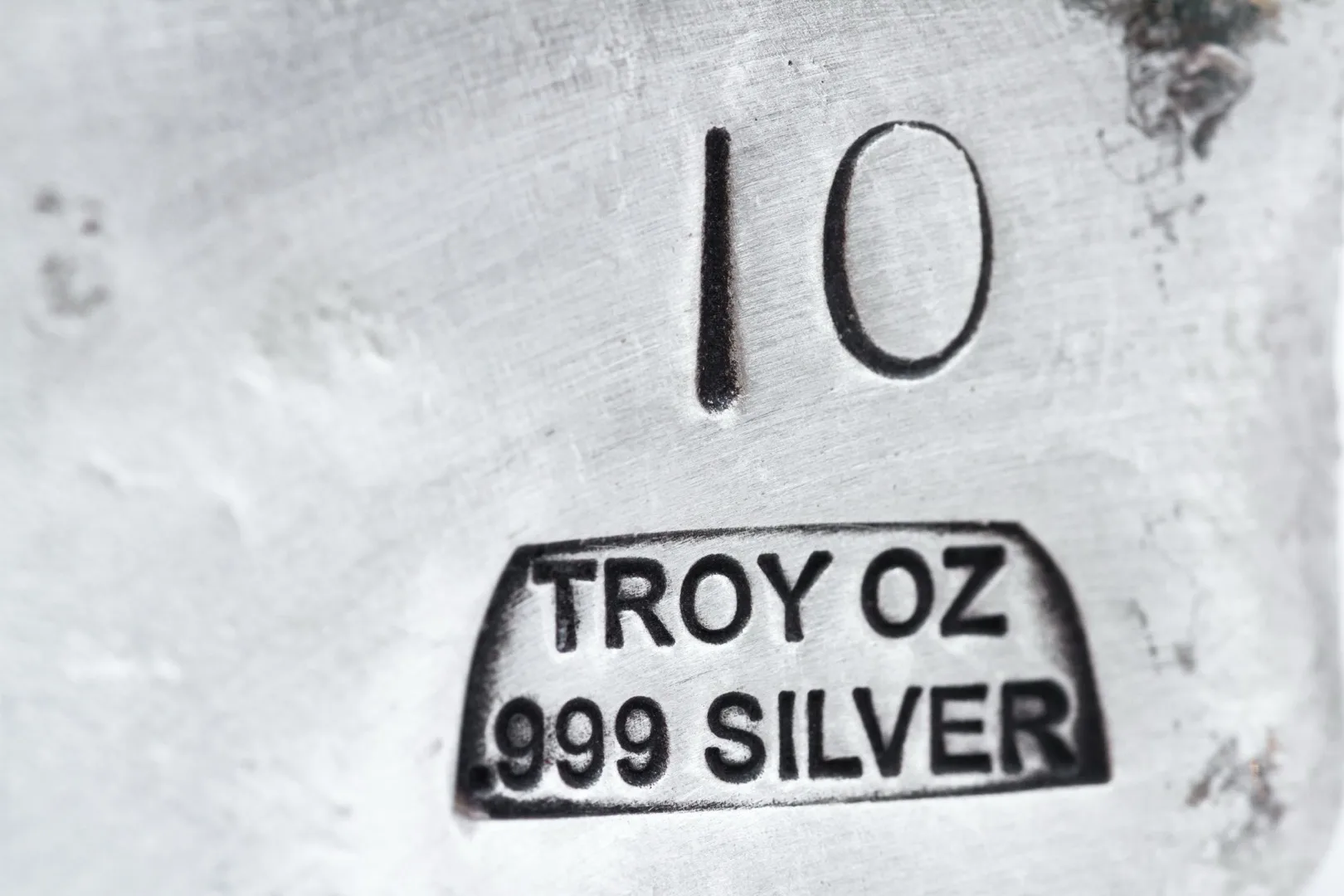
- Sterling silver: stamped "Sterling" or ".925". Franklin Mint made sterling Norman Rockwell Christmas plates in the early 1970s; seven 8-inch plates in a Bonhams sale weighed 42 oz 6 dwt together, about 6 troy ounces each.
Have one like this? Photograph yours and see what it is worth — free, in about 20 seconds, no account.
Value mine free →The exceptions worth checking
- Early Danish Christmas plates. The 1895 Bing & Grøndahl plate is the one to look for. In 1987 the Monitor reported that about 400 were thought to exist and that it sold for $3,200 or more. Plates from 1896 to the 1910s and the 1908 Royal Copenhagen are far scarcer than later years and are worth pricing one by one; plates from the 1950s on are common.
- Lalique annual plates. A complete boxed run from 1965 to 1976 sold for over $1,000 at auction; the 1965 plate is the hardest to find.
- Sterling plates. These are worth at least their silver, which puts a floor under the price no porcelain plate has.
- Hand-painted cabinet plates. Signed, hand-painted plates by makers such as Meissen or KPM are antiques, valued as porcelain.
Is it the original? Jubilee plates, reissues and look-alikes
- Two dates mean a reissue. Bing & Grøndahl made larger jubilee plates repeating earlier designs from 1915 on, and they carry two years, such as 1895 and 1915. Later jubilee plates showing "1895" often sell for tens of dollars, not thousands.
- Centennial plates. Bing & Grøndahl's 1995 centennial plate revisited the 1895 design, and Royal Copenhagen revisited its 1908 motif for 2008. Read the year in the design and the backstamp.
- Miniatures and ornaments. Small plaques, bells and tree drops with the same scenes are modern gift items.
- "Hand-painted" souvenirs. Many Italian majolica and French village plates sold to tourists are decal or quickly painted ware. Under a loupe, a regular dot pattern means a print.
What collector plates sell for
Typical sold prices, not asking prices. Dealers pay well below what they ask.
| Plate | Typical value | Notes |
|---|---|---|
| Bradford Exchange, Hamilton, Knowles, Danbury Mint and similar | $2 to $15 each | Box and certificate expected; big lots go for a few dollars a plate. |
| Norman Rockwell porcelain plate | $3 to $15 each | Huge editions; sets sell slowly. |
| Full boxed series of 8 to 12 plates | $20 to $100 | Wizard of Oz, Disney and Gone With the Wind at the top. |
| Bing & Grøndahl or Royal Copenhagen Christmas plate, 1950s to today | $5 to $20 | Less per plate in big lots. |
| Danish Christmas plate, 1920s to 1940s | $15 to $60 | Scarce years higher. |
| Danish Christmas plate, 1896 to 1919 | $30 to $300 | Condition and first-quality mark critical. |
| 1895 Bing & Grøndahl or 1908 Royal Copenhagen | $500 to $3,000+ | Originals only; few auction results. |
| Lalique annual plate | $40 to $120 each | Full 12-plate set over $1,000. |
| Sterling silver collector plate | Silver value and up | About 6 troy ounces for an 8-inch Franklin Mint plate. |
Wondering about yours?
Find out what your item is worth
Upload a photo and get an instant AI valuation with a realistic price range — free, and no account needed.
Auction results, including buyer's premium:
- £12: twelve boxed 1977 Royal Horticultural Society "Flower Plates of the Year" made by Wedgwood for the Franklin Mint, Bonhams Honiton, September 2007 (verified).
- £100: 27 Royal Copenhagen Christmas plates (1977 to 2001, 2005 and 2006) with two Christmas cups and saucers, Bonhams Chester, December 2011 (verified).
- £399.50: about 51 Royal Copenhagen and Bing & Grøndahl Christmas plates with a few Wedgwood and Royal Doulton plates, Bonhams Chester, May 2005 (verified).
- US$625: 91 limited-edition film plates by Knowles, W.S. George, Hamilton, Delphi, Danbury Mint and others, almost all boxed with certificates, from TV host Robert Osborne's collection, Bonhams Los Angeles, June 2018 (verified). That is under $7 a plate, even with famous provenance.
- $1,093.50: a complete set of 12 Lalique annual plates, 1965 to 1976, in original boxes, estimate $900 to $1,200, James D. Julia, June 2014 (verified).
What Estimonia valuations show
From July to early November 2026, people photographed 92 collector plates on Estimonia. Half were estimated at $30 or less and a quarter at $23 or less; 42 percent came in under $25. Only one in ten was estimated above $60, 4 percent reached $100, and none reached $500.
What came up: Russian porcelain limited editions with fairy-tale scenes, Norman Rockwell plates by Knowles, Holly Hobbie and Lena Liu butterfly series, Kaiser limited editions, commemorative town plates, holiday snowman plates, a copper wall plate, and hand-painted French and Italian souvenir plates.
These are AI estimates from photos people uploaded, not sale prices, which is why they show what is typical in real homes rather than auction headlines. Sold prices for mass-market plates, especially sold one at a time, often land below that median. If your collection looks like this, price it as a group and spend your time on any Danish plate dated before 1920, any Lalique and anything stamped sterling.
What to do now
- Sort first. Pull out early Danish plates, Lalique and anything marked sterling; the rest is a group sale.
- Sell sets, not singles. Keep boxes and certificates with their plates. eBay takes 13.6% of the total sale plus $0.40 on orders over $10, according to its fee page, and packing china safely often costs more than a single plate brings. A local sale or an estate sale clears a collection faster; see our comparison of estate sales, auctions and selling it yourself.
- Consign the exceptions. Early Danish plates and full Lalique runs belong with an auction house that sells porcelain and glass or with a Danish plate specialist.
- Check sterling against melt. Weigh it and use the silver melt calculator. If the mark is unclear, our silver plate guide shows how to tell plated from solid.
- Donate the rest. Thrift stores take boxed plates. For a tax deduction, IRS Publication 561 says used household items are usually worth much less than their price new, and noncash gifts over $500 need Form 8283.
- Do not dishwash or soak. Gold rims and decals wear off; wipe with a damp cloth.
Christmas plates often come out of the same boxes as ornaments; our vintage Christmas ornament value guide covers the rest of the holiday box. For porcelain beyond plates, see the porcelain figurine value guide and what antique china and porcelain are worth. Lalique belongs with the crystal and cut glass value guide.
Trusted resources
- Museum of Danish America: The Story of Danish Christmas Plates, from a museum with a complete collection.
- Royal Copenhagen, which now makes the Bing & Grøndahl plate too: series history and current issues.
- Porcelain and glass departments at regional auction houses: estimates for early Danish plates and Lalique.
What Drives the Value
- Maker and age — Danish Christmas plates before 1920 and the 1965 Lalique are scarce; 1970s to 2000s limited editions are not.
- Edition size — "firing day" and closing-date limits often meant very large editions.
- Material — sterling silver plates have a melt-value floor; porcelain decal plates do not.
- Condition — chips, cracks, worn gold rims and faded decals cut value; mint is normal for modern plates, so it adds little.
- Completeness — full series with boxes and certificates sell more easily than odd plates.
- Quality grade — Royal Copenhagen seconds, marked by a line ground through the wave mark, bring less.
- Theme — Gone With the Wind, Wizard of Oz and Disney series find buyers more easily than generic birds or florals.
- Selling cost — fees and shipping often exceed the value of a single plate.
Identification Checklist
- Turn the plate over: the backstamp names the maker, the series, the plate number and often the edition limit.
- Mass-market limited editions name makers such as The Bradford Exchange, Edwin M. Knowles, W.S. George, Hamilton or Danbury Mint.
- Bing & Grøndahl Christmas plates show three towers and "B&G"; the year and "Jule Aften" are part of the blue design.
- Royal Copenhagen uses three wavy lines under a crown; its Christmas series began in 1908.
- A plate with two years, such as 1895 and 1915, is a Bing & Grøndahl jubilee reissue.
- Lalique annual plates are molded crystal signed "Lalique France" and dated 1965 to 1976.
- A "Sterling" or ".925" stamp means solid silver; 8-inch Franklin Mint sterling plates weigh about 6 troy ounces.
- Under a loupe, a regular dot pattern means a printed decal; hand painting shows brush strokes.
How to Spot a Fake
- Look for a second year in the design: Bing & Grøndahl jubilee plates repeat earlier years such as 1895.
- Centennial plates (Bing & Grøndahl 1995, Royal Copenhagen 2008) echo the first designs; read the year and backstamp.
- A certificate of authenticity confirms the edition, not the value.
- A regular dot pattern under a loupe means printed decoration, even on plates sold as hand-painted.
- "EP", "silver plated" or a plate maker's mark means silver plate, not sterling.
- For an apparent 1895 or 1908 plate, have the backstamp and size checked by a porcelain specialist before selling.