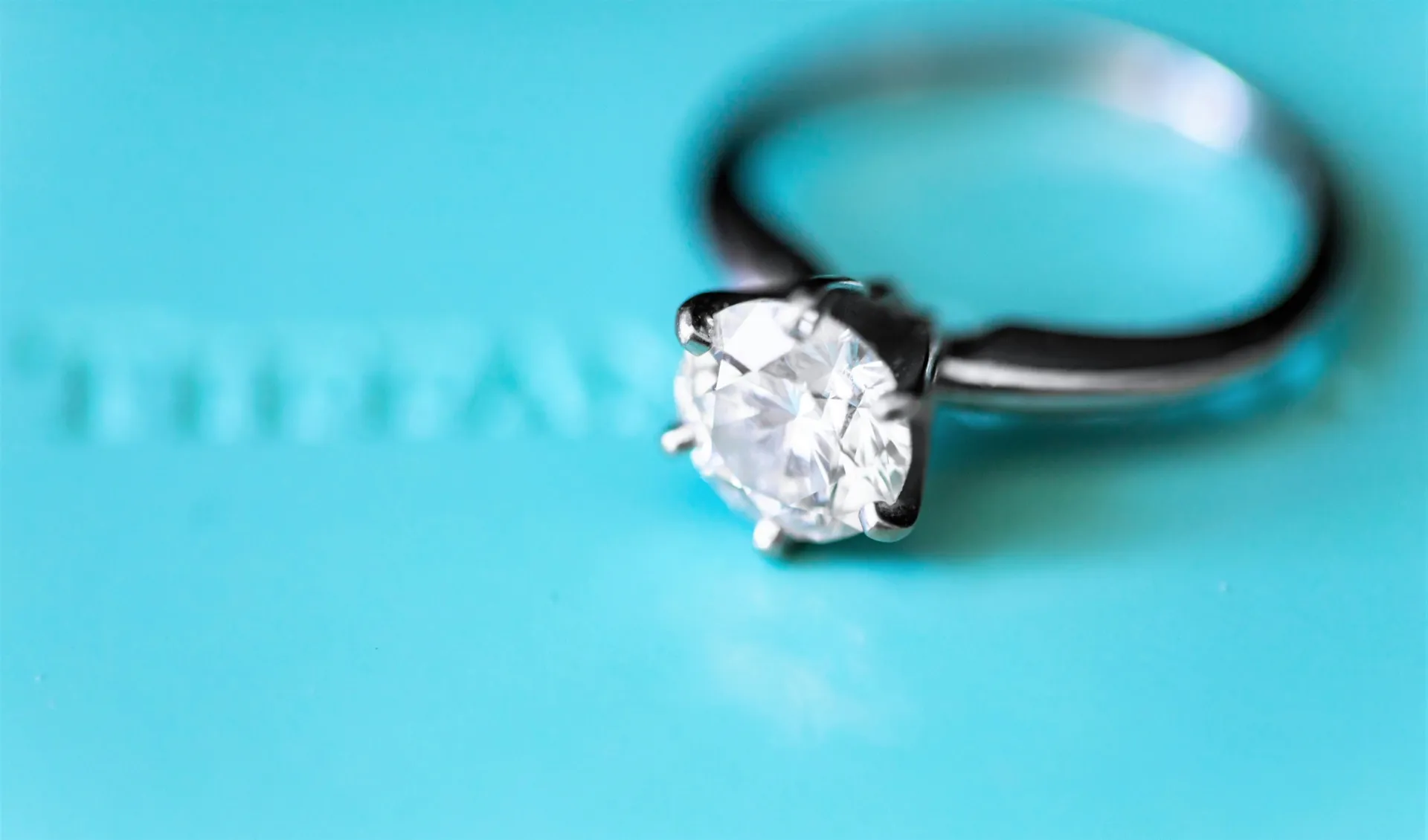
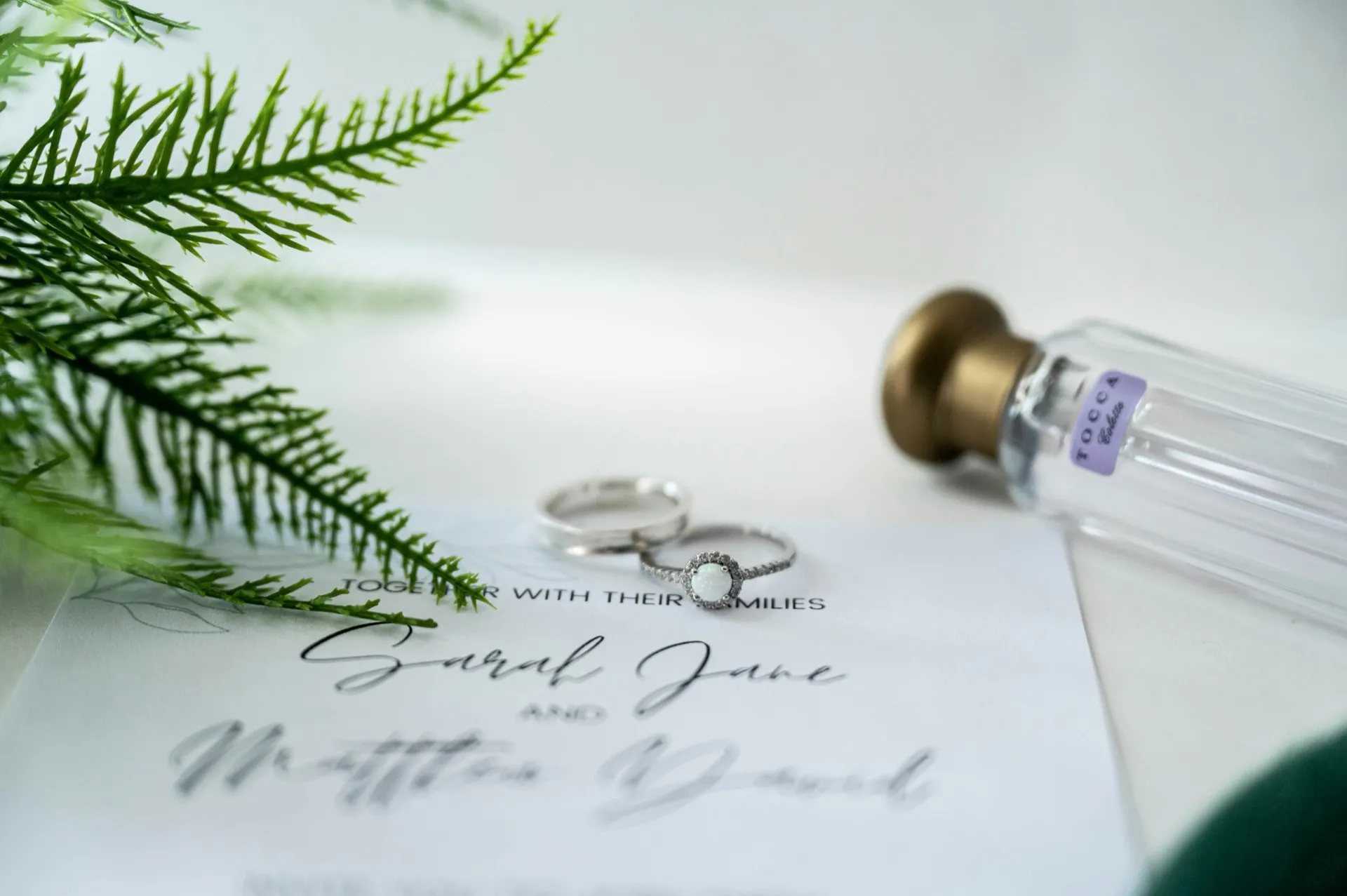
This item is typically worth $300 – $15,000, depending on reference, condition, originality, and provenance.
Market values current as of October 2026A diamond ring almost never resells for what it cost. Retail prices carry a large markup for design, brand and the store, and buyers of used diamonds pay close to wholesale. A natural diamond ring typically resells for 20 to 60 percent of its original retail price. A lab-grown diamond ring often brings little more than the value of its gold or platinum.
What decides where your ring lands is the center stone: natural or lab-grown, its carat weight and grades, whether it has a GIA report, and whether the ring carries a name such as Tiffany, Cartier or Harry Winston.
A natural 1 carat solitaire of good quality typically sells for $2,000 to $4,500 to a buyer or at auction, and a 2 carat stone for $6,000 to $15,000. Under half a carat, expect $300 to $1,500. Lab-grown stones bring very little, often under $300 for a 1 carat stone. A GIA report and a known brand both raise offers.
What do I have? Identify the stone and the ring
- Paperwork first: Look for a grading report (GIA, IGI, AGS, HRD or EGL), a store receipt or an appraisal. A GIA report number can be checked online with GIA Report Check on gia.edu.
- Girdle inscription: Many graded stones have the report number laser-inscribed on the thin outer edge. A jeweler can read it under a microscope in a minute. Lab-grown stones are usually inscribed "Laboratory-Grown" (GIA) or "LG" plus a number (IGI).
- Inside the shank: Stamps such as PT950, PLAT, 18K or 750 tell you the metal. A maker's name ("T&Co.", "Cartier", "HW") and a serial number matter a great deal for value.
- The cut: Modern round brilliants have a pointed bottom and even facets. Old European and old mine cuts (before about 1930) have a small, visible circle at the bottom called the culet, chunkier facets and often a cushion outline. Art Deco platinum settings with milgrain edges usually hold old cuts.
For a first read on stone type, cut and setting, photograph the ring from the top, the side and inside the band. Our jewelry valuation page explains what the estimate covers.
Is it real, and is it natural or lab-grown?
Three things can sit in an engagement ring: a natural diamond, a lab-grown diamond (chemically identical, made in a factory), or a simulant such as cubic zirconia or moissanite. A thermal diamond tester passes both natural and lab-grown stones, and some testers also pass moissanite. Only lab equipment separates natural from lab-grown reliably.
- IGI grades a large share of lab-grown stones, so read the report title carefully: it says whether the diamond is laboratory-grown.
- Rings bought after 2019 at mall or online jewelers at unusually low prices for their size are often lab-grown.
- A jeweler with a screening device (many independent stores have one) can tell you in minutes. For any stone over 1 carat, a GIA report settles it. GIA's lab-grown diamond service explains how those stones are reported.
Lab-grown resale is weak because new stones keep getting cheaper. When De Beers announced in May 2025 that it would close its Lightbox lab-grown brand, it said wholesale lab-grown prices had fallen about 90 percent since 2018. Most diamond buyers decline lab-grown stones or offer a small amount.
What a diamond ring actually sells for
| Item | Typical resale value | Notes |
|---|---|---|
| Natural, under 0.50 ct | $300 to $1,500 | Often close to metal value plus a modest amount for the stone. |
| Natural, about 1 ct, G to I, VS to SI, GIA report | $2,000 to $4,500 | Retail for the same ring was often $5,000 to $10,000. |
| Natural, about 2 ct, good color and clarity | $6,000 to $15,000 | D to F color with VVS clarity or better can bring several times more. |
| Natural, 3 ct and up | $12,000 to $50,000+ | Grades and shape matter most; specialist auctions compete hardest here. |
| Lab-grown, 1 to 2 ct | $50 to $500 | Many buyers pay only for the gold or platinum. |
| Old European or old mine cut, 1 to 2 ct | $1,500 to $8,000 | Collector demand, but some are bought to be recut, which lowers offers. |
| Tiffany, Cartier, Harry Winston, about 1 ct | $4,000 to $9,000 | Brand, box and papers add a premium over an unbranded stone of the same grade. |
Wondering about yours?
Find out what your item is worth
Upload a photo and get an instant AI valuation with a realistic price range — free, and no account needed.
Figures are typical auction and buyer results as of October 2026. Dealer asking prices for the same rings are much higher. Specific results we could verify:
- £4,864: 1.51 ct cushion diamond, G color, VS2, GIA report, with baguette shoulders. Bonhams Knightsbridge, July 2025 (verified).
- £1,536: Boodles platinum solitaire, about 0.95 ct, with an old GIA report for a 1.01 ct G VS1 stone. Bonhams graded it I1 with chips. Bonhams Jewels Online, October 2025 (verified).
- £3,562.50: 1.03 ct round brilliant, G color, VS2, GIA report, platinum. Bonhams Knightsbridge, September 2019 (verified).
- £2,295: old cushion-shaped diamond of about 1.70 ct with diamond shoulders. Bonhams New Bond Street, December 2019 (verified).
- AU$13,200: Tiffany & Co. platinum solitaire, 1.01 ct, G color, VS1, GIA report. Smith & Singer, Sydney, September 2012 (verified).
- £16,250: old pear-shaped diamond, 3.34 ct, I color, VS2, GIA report. Bonhams New Bond Street, September 2017 (verified).
- £38,750: 2.05 ct round brilliant, D color, Flawless. Bonhams New Bond Street, April 2018 (verified).
The Boodles lot shows why an old report is not enough: chips and wear since grading can lower the clarity and the price.
What drives the price
- The 4Cs: Carat drives price most, then color and clarity, then cut. Prices jump at 1.00, 1.50 and 2.00 ct, so a 0.98 ct stone is worth noticeably less than a 1.01. GIA's diamond quality factors explain each grade.
- The report: Buyers trust GIA grades and often discount IGI, EGL and older store appraisals, because those grades can run one or two steps generous.
- Brand: Signed Tiffany, Cartier and Harry Winston rings attract brand buyers. See our Tiffany engagement ring guide.
- Age and cut: Well-cut old European and old mine stones in original Art Deco mounts appeal to collectors. Our antique ring value guide covers period settings.
- Metal: A platinum or 18k mount adds a few hundred dollars of metal value at most.
What to do now: where to sell and what it costs
- Get a GIA report first for any natural stone around 1 ct or more. It costs roughly $100 to $250 including shipping through a jeweler and usually adds more than that to offers. Do not let anyone remove the stone without a receipt.
- Jeweler or diamond buyer: fast cash, typically 20 to 40 percent of the original retail price. Get at least three written offers.
- Consignment: often a better price, but the store keeps 20 to 35 percent and the sale can take months.
- Auction: Bonhams, Christie's, Sotheby's and Heritage hold online jewelry sales that take rings from about $1,500 upward. Sellers usually pay a commission of 10 to 15 percent plus fees, and buyers add a premium of up to 28 percent. Compare terms in our fine jewelry and gems directory.
- Online buyers and marketplaces: convenient, but compare their offer with an auction estimate before you ship.
Trusted resources
- GIA (gia.edu): free online Report Check and explanations of every grade.
- American Society of Appraisers: find a credentialed, independent appraiser who does not buy what they value.
- Bonhams, Christie's and Sotheby's jewelry departments: free auction estimates from photos.
What Drives the Value
- Natural or lab-grown — the single biggest factor; a lab-grown stone of the same size and grade resells for a small fraction of a natural one.
- Carat weight — prices step up sharply at 1.00, 1.50 and 2.00 carats, so stones just over these weights are worth more per carat.
- Color and clarity — D to F color with VVS clarity brings far more than I to J color with SI clarity at the same weight.
- Report lab — GIA grades are trusted most; IGI, EGL and store appraisals are often discounted by buyers.
- Cut and condition — chips on the girdle or table, abrasions and poor proportions lower the grade and the price.
- Brand — signed Tiffany, Cartier and Harry Winston rings with boxes and papers usually sell above unbranded equivalents.
- Period cut and setting — original old European or old mine cuts in Art Deco platinum mounts attract collectors.
- Selling route — a jeweler buy offer is often the lowest price; auction and consignment usually net more but take longer.
Identification Checklist
- Check for a grading report and look up the report number on GIA Report Check; the details must match the stone.
- Ask a jeweler to read the girdle inscription under magnification; it often shows the report number, and lab-grown stones usually show Laboratory-Grown or LG.
- Read the stamps inside the band: PT950, PLAT or 900 PT for platinum, 18K or 750 and 14K or 585 for gold.
- Look for maker signatures inside the shank such as T&Co., Tiffany & Co. with a serial number, Cartier with a serial number, or HW for Harry Winston.
- Old European and old mine cuts show a visible small circle (open culet) when viewed face-up and have chunkier, broader facets than a modern brilliant.
- Art Deco rings (about 1920 to 1935) are usually platinum with milgrain beading, pierced galleries and small single-cut side diamonds.
- Measure the stone's diameter: a well-cut 1 carat round is about 6.4 mm across, a 2 carat about 8.1 mm.
How to Spot a Fake
- Thermal diamond testers pass both natural and lab-grown diamonds, and older testers can also pass moissanite; they do not prove a stone is natural.
- Verify any GIA report online and make sure the inscribed number on the girdle matches the paper report.
- Treat old store appraisals as insurance replacement figures, not resale values; they are often several times what a buyer will pay.
- Be cautious with EGL reports and older IGI reports on natural stones; their grades can be one or two steps more generous than GIA.
- Check for clarity enhancement: laser drill holes and fracture filling lower value and should be noted on a GIA report.
- Never let a buyer take the stone out of the room or the setting without a written, signed receipt describing weight and grades.
- Get a fresh GIA report if the existing one is more than ten years old or the stone shows chips; the Boodles lot sold at Bonhams in 2025 had been graded VS1 in 2009 but was assessed I1 with chips at sale.
Thinking of Selling?
The route often matters as much as the item. A dealer typically pays 45–70% of an item's value, so they can resell it at a profit; an auction house typically returns 75–88% after its commission, but takes weeks.
-
See where yours sits
Photograph it and get a value range in about 20 seconds — free, no account needed.
-
Meet the right specialists
If it's worth $1,000 or more, we can introduce you to auction houses that handle pieces like it. Free for you, and you decide whether to go ahead.
-
Or get a step-by-step plan
A Sell-it Plan ($9.99) compares auction, dealer and online sale for your item, shows what you would keep after fees, names auction houses that take pieces like it, and drafts your enquiry email.