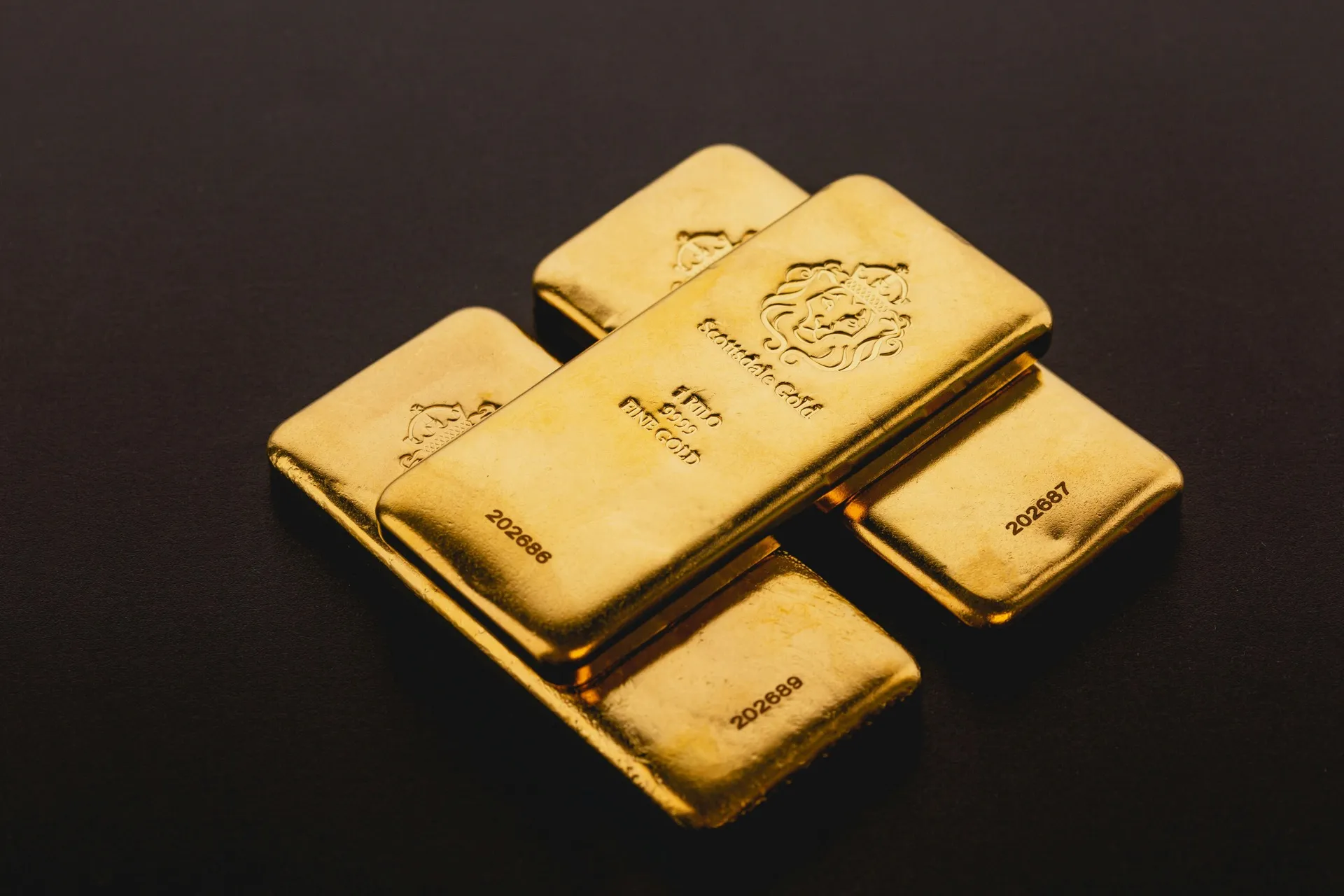
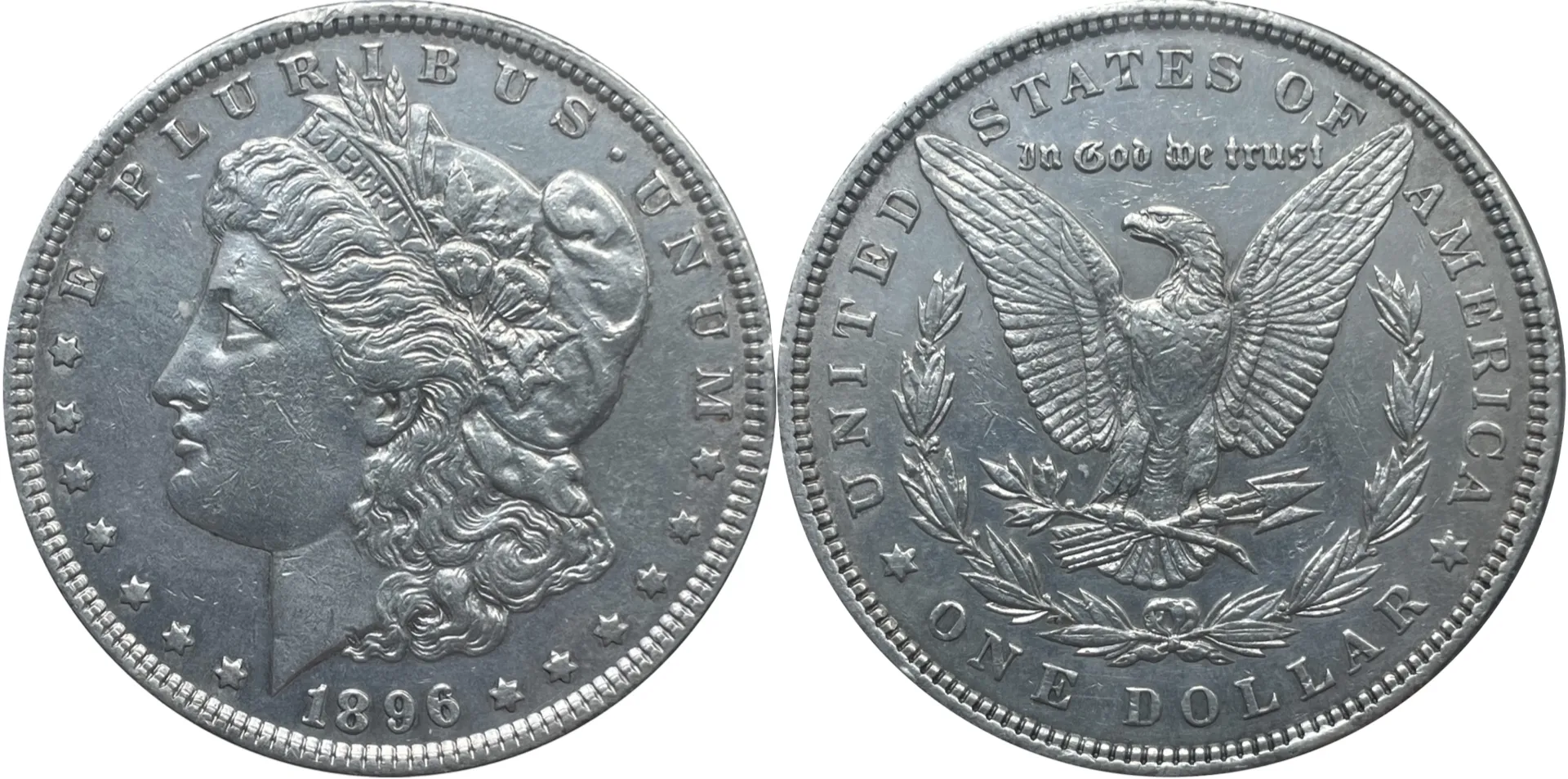
This item is typically worth $3,800 – $6,500, depending on reference, condition, originality, and provenance.
Market values current as of October 2026A $20 gold piece, or double eagle, is never worth less than its gold. Every one holds 0.9675 troy ounces of pure gold, so with gold near $4,160 an ounce in October 2026 the metal alone is worth about $4,025. Most coins owners inherit are common dates that sell for melt plus a modest premium.
The real money is in the exceptions: Carson City (CC) mint marks, a handful of scarce Saint-Gaudens dates, and coins in very high grades. Telling them apart takes the date, the mint mark and an honest look at condition.
A common-date Liberty Head (1850–1907) or Saint-Gaudens (1907–1933) double eagle is typically worth $4,000 to $6,500 in October 2026, depending on grade. Coins that were mounted in jewelry, cleaned or damaged usually sell at or slightly below melt. Key dates such as the 1870-CC, 1927-D and 1924-S can bring tens of thousands to millions. Check the date and mint mark first.
Which double eagle do you have?
- Liberty Head, Type 1 (1850–1866): Liberty facing left with a coronet; no motto above the eagle on the reverse; denomination reads TWENTY D.
- Liberty Head, Type 2 (1866–1876): IN GOD WE TRUST added above the eagle; still TWENTY D.
- Liberty Head, Type 3 (1877–1907): motto above the eagle and the denomination spelled out as TWENTY DOLLARS.
- Saint-Gaudens (1907–1933): full-length Liberty striding forward holding a torch, with a flying eagle on the reverse. Coins from 1907 and early 1908 lack IN GOD WE TRUST. The 1907 High Relief has a raised, sculpted look and a wire or flat rim, and the date is in Roman numerals (MCMVII).
Mint marks: on Liberty coins the letter (S, O, CC or D) sits below the eagle on the reverse. On Saint-Gaudens coins it is on the obverse, just above the date. No letter means Philadelphia. CC (Carson City, 1870–1893) and O (New Orleans) coins are the ones to look for first. A 1904-S or 1904 Philadelphia coin, by contrast, is among the most common in the series.
To get a first read, photograph both sides of the coin and a close-up of the date and mint mark in daylight.
Is it real?
Counterfeit double eagles are common. NGC notes that fakes exist for virtually every date, including the most common ones, and that many high-gold-content copies made for Middle Eastern buyers in the 1960s and 1970s were later imported into the United States. These are the hardest to catch because the metal is nearly right.
- Specifications: genuine coins weigh 33.436 g, measure 34 mm and are .900 gold. A brass or plated fake is usually light, thick or off-size.
- Specific gravity: .900 gold coin alloy runs about 17.1 to 17.2. Gold-plated tungsten can match weight, so a specific-gravity or XRF test at a dealer is a better check than a scale alone.
- Surface clues: NGC's examples show tiny raised lumps in LIBERTY and near the denticles, mushy lettering, and mirror-like fields on dates (such as the 1924) that were never struck with mirrors.
- Added mint marks: a fake 1927-D NGC examined had a glued-on D. Any key-date coin should be certified before you rely on its value.
What double eagles sell for
Values below assume gold near $4,160 an ounce (October 2026). Common-date prices move with gold; key-date prices move with collector demand.
| Item | Typical value | Notes |
|---|---|---|
| Ex-jewelry, holed, cleaned or damaged common date | $3,800 to $4,050 | Bought for gold content. Graders return a "Details" grade instead of a number. |
| Common date, circulated (XF–AU), raw | $4,000 to $4,300 | Dealers often pay close to melt for raw coins. |
| Common Liberty Type 3 or Saint, MS62–MS64 (PCGS/NGC) | $4,200 to $4,900 | "Bullion-tier" coins: a few percent over melt. |
| Common Saint-Gaudens, MS65 | $5,000 to $6,500 | CAC approval and MS66 add more. Liberty coins in MS65 are scarcer and bring more. |
| Type 1 Liberty (1850–1866), circulated | $4,300 to $7,000 | Older and scarcer in high grades; New Orleans dates far higher. |
| Carson City (CC) dates, VF–XF | $6,000 to $50,000+ | Common CC dates sit at the low end; 1870-CC, 1871-CC and 1891-CC are rare. |
| 1907 High Relief | $15,000 to $50,000 | Depends on grade; MS65 sold for $43,200 in 2024. |
| Key dates (1870-CC, 1920-S, 1921, 1924-S to 1932, 1927-D) | $50,000 to $4.4 million | Late-date Saints were mostly melted in the 1930s. |
Wondering about yours?
Find out what your item is worth
Upload a photo and get an instant AI valuation with a realistic price range — free, and no account needed.
Verified auction results:
- $18,872,250: 1933 Saint-Gaudens, the only one legal to own privately, Sotheby's New York, June 2021 (verified). Any other 1933 is considered government property.
- $4.44 million: 1927-D, PCGS MS66, Heritage, August 2022 (verified).
- $690,000: 1856-O Liberty, PCGS AU58, Heritage Long Beach, March 2025 (verified).
- $588,000: 1870-CC, NGC AU53, Heritage, March 2025 (verified).
- $312,000: 1870-CC, NGC XF45, Heritage, December 2024 (verified).
- $60,000: 1924-S, NGC MS65, Heritage, December 2024 (verified).
- $52,800: 1871-CC, NGC VF30 CAC, Heritage, December 2024 (verified).
- $43,200: 1907 High Relief, NGC MS65, Heritage, December 2024 (verified).
Grading, CAC and why condition matters so much
PCGS and NGC grade on the 1–70 scale. For a common date, the jump from MS64 to MS65 can add $1,000 or more, while anything below MS62 trades close to melt. A "PL" (prooflike) designation, as on some 1907 Liberty coins, means mirror-like fields from fresh dies and adds a premium over a regular coin in the same grade. A CAC sticker or a CACG grade signals a coin that is solid for its grade and often brings more at auction.
Coins worn as pendants or set in bezels usually show solder marks, scratches from prongs, rim damage or polishing. Graders call these "Details" coins, and numismatic premium largely disappears. Removing the coin from a bezel yourself can add new marks, so leave it to a jeweler or dealer. Never clean or polish a gold coin; hairlines from cleaning are permanent and visible to any grader.
What to do now
- Know the melt floor: use our gold melt calculator with 0.9675 oz so you never accept less than the metal is worth.
- Common dates: get two or three offers from local coin dealers. Raw coins usually bring 95 to 102 percent of melt; certified MS coins bring more.
- Possible key dates or CC coins: send them to PCGS or NGC first (roughly $30 to $100+ per coin plus shipping and insurance), then consign to a major coin auction. Buyer's premiums run around 20 percent, and sellers often negotiate low or zero commission on valuable coins. Compare fees in our auction house fees guide.
- Find a dealer: browse our coin and currency directory. For other US gold, see the gold coin value guide.
Trusted resources
- NGC: counterfeit 1904 double eagle: high-gold fakes and how they were caught.
- NGC: counterfeit 1924 Saint-Gaudens: lettering and surface diagnostics.
- CAC Grading: sticker and grading services.
- Coin World: 1933 double eagle sale.
- CoinNews: 1927-D record.
- CoinNews: 1856-O and 1870-CC results.
- Numismatic News: December 2024 double eagle results.
What Drives the Value
- Gold price - every double eagle is worth at least 0.9675 oz of gold, so common dates rise and fall with spot.
- Date and mint mark - Carson City coins and late Saint-Gaudens dates (1920-S, 1921, 1924-S through 1932, 1927-D) are rare because most were melted.
- Grade - for common dates the jump from MS64 to MS65 can add $1,000 or more, while coins below MS62 trade near melt.
- Jewelry and damage - solder, bezel marks, holes or polishing turn a coin into a Details grade worth about melt.
- Certification - PCGS or NGC grading lets buyers pay over melt without seeing the coin; raw coins get lower offers.
- CAC approval - a CAC sticker or CACG grade usually adds a premium at auction, especially at MS65 and higher.
- Prooflike surfaces - a PL designation on a Liberty coin adds a premium over a regular coin of the same grade.
- Venue - local dealers pay close to melt for common coins; major auctions are worth it for key dates and high grades.
Identification Checklist
- Liberty Head double eagles (1850-1907) show Liberty in a coronet facing left; Saint-Gaudens coins (1907-1933) show a full-length Liberty striding forward with a torch.
- On Liberty coins, the mint mark (S, O, CC or D) is on the reverse below the eagle; on Saint-Gaudens coins it is on the obverse above the date.
- Type 1 Liberty coins (1850-1866) have no motto above the eagle; Type 2 (1866-1876) add IN GOD WE TRUST; Type 3 (1877-1907) spell out TWENTY DOLLARS.
- Saint-Gaudens coins from 1907 and early 1908 have no IN GOD WE TRUST; the motto was added in mid-1908.
- A 1907 High Relief has a sculpted, raised design and a Roman numeral date (MCMVII).
- CC marks the Carson City mint (1870-1893), the most sought-after mint mark in the series.
- Genuine coins weigh 33.436 g, measure 34 mm and contain 0.9675 troy oz of pure gold.
- Check holders: PCGS and NGC labels carry a certification number you can look up on their websites.
How to Spot a Fake
- Weigh the coin on a scale accurate to 0.01 g: genuine double eagles weigh 33.436 g, and brass or plated fakes are usually light.
- Measure the diameter (34 mm) and compare thickness with a known genuine coin; gold-plated tungsten fakes often run thick.
- Weight is not enough: many 1960s-1970s counterfeits made for Middle Eastern buyers have nearly correct gold content.
- Under a loupe, look for tiny raised lumps in LIBERTY and near the denticles, and soft or mushy lettering, which NGC cites as counterfeit signs.
- Mirror-like fields on dates never struck with mirrors (such as the 1924 Saint-Gaudens) are a red flag.
- On key dates such as the 1927-D, check that the mint mark is not added; NGC has documented a fake D that was simply glued on.
- Verify any slab's certification number on the PCGS or NGC website, since counterfeit holders also exist.
Thinking of Selling?
The route often matters as much as the item. A dealer typically pays 45–70% of an item's value, so they can resell it at a profit; an auction house typically returns 75–88% after its commission, but takes weeks.
-
See where yours sits
Photograph it and get a value range in about 20 seconds — free, no account needed.
-
Meet the right specialists
If it's worth $1,000 or more, we can introduce you to auction houses that handle pieces like it. Free for you, and you decide whether to go ahead.
-
Or get a step-by-step plan
A Sell-it Plan ($9.99) compares auction, dealer and online sale for your item, shows what you would keep after fees, names auction houses that take pieces like it, and drafts your enquiry email.